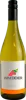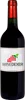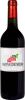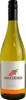
Winery Cantina Cooperativa Salice SalentinoTerre Neure Extra Dry
 wine
wine
This wine generally goes well with
The Terre Neure Extra Dry of the Winery Cantina Cooperativa Salice Salentino is in the top 0 of wines of Salice Salentino.

Details and technical informations about Winery Cantina Cooperativa Salice Salentino's Terre Neure Extra Dry.
Discover the grape variety: Bastardo
Supple, fruity reds with a clear ruby robe, silky tannins and a fresh, airy palate, with signature aromas of red fruits (cherry, raspberry), gentle spices and floral notes. Adds freshness and delicacy to blends. Traditionally used in Port, Madeira and Dão reds. Portuguese synonym for the Jura's Trousseau according to DNA analysis; indigenous black variety of the Douro and Dão.
Informations about the Winery Cantina Cooperativa Salice Salentino
The Winery Cantina Cooperativa Salice Salentino is one of of the world's greatest estates. It offers 13 wines for sale in the of Salice Salentino to come and discover on site or to buy online.

The wine region of Salice Salentino
Apulia DOC in the heel of the boot (Salento), realm of native Negroamaro (min. 75-90%) on terra rossa. Signature powerful sunny reds with notes of candied black cherry, blackberry, tobacco, leather, liquorice and sweet spice touch, round tannins and warm mouth — Southern heat in the bottle. Often completed by aromatic Malvasia Nera.
The wine region of Puglia
Heel of the boot, 80% red vineyard, sunny and generous. Fleshy, jammy Primitivo (= Zinfandel) with notes of black cherry, plum, chocolate and spices, powerful alcohol and melted tannins, a star in Primitivo di Manduria. Deep, structured Negroamaro (black-bitter) with a bitter finish in Salice Salentino. Structured Nero di Troia, spicy Susumaniello.
The word of the wine: Lemonade maker
Corkscrew of the wine waiter equipped with a small blade allowing to cut the capsule, a worm and a system of rack allowing to extract the cork easily.