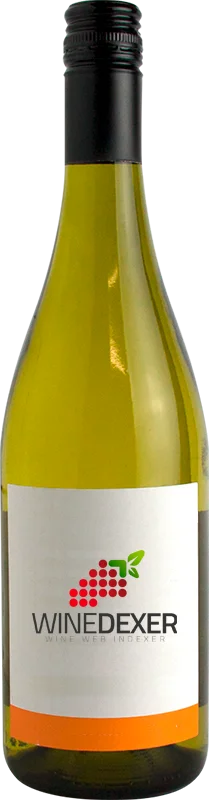
Château CaillauSauternes
 Sweet wine
This wine generally goes well with fruity desserts and blue cheese.

Food and wine pairings with Sauternes
Pairings that work perfectly with Sauternes

Original food and wine pairings with Sauternes
The Sauternes of Château Caillau matches generally quite well with dishes of fruity desserts or blue cheese such as recipes of the coughing cat's apple crumble or gratin in pink and blue.
Details and technical informations about Château Caillau's Sauternes.
Discover the grape variety: Temjanika
Intensely aromatic muscat whites, with a pale golden robe and an ample palate, with explosive signature aromas of muscat, white flowers (orange blossom, jasmine), exotic fruits and fresh grape. Also as sweet and late-harvest wines. Grown mainly in North Macedonia (Tikveš) and central Serbia, defining the aromatic identity of Balkan white wines. Autochthonous white variety of Serbia and North Macedonia, identical to Tamjanika.
Informations about the Château Caillau
The Château Caillau is one of of the world's greatest estates. It offers 2 wines for sale in the of Sauternes to come and discover on site or to buy online.

The wine region of Sauternes
Iconic Bordeaux AOC for noble sweet wines, left bank of the Garonne. Golden whites with signature notes of honey, candied apricot, exotic fruit, orange peel, saffron and a finish tightened by chiselled acidity, opulent yet nervy palate — a great age-worthy wine of emotion. Botrytised Semillon dominates (Ciron 'noble rot') concentrating sugars, Sauvignon Blanc adds vivacity, Muscadelle perfume. ~1,416 ha across 5 villages.
The wine region of Bordeaux
World-renowned age-worthy reds, led by round Merlot (plum, black fruit) or firm Cabernet Sauvignon (blackcurrant, cedar, graphite), blended with Cabernet Franc and Petit Verdot for tannic structure. Structured Médoc and Graves, velvety Saint-Émilion and Pomerol. Also crisp dry whites (Sauvignon/Sémillon) and opulent sweet Sauternes with honey and candied fruit. A 110,000 ha Gironde vineyard, 65 appellations, cradle of the 1855 classified growths.
The word of the wine: Presses
The juice that results from pressing the grapes after fermentation. At the end of the maceration, the vats are emptied, the first juice obtained is called the free-run wine and the marc remaining at the bottom of the vat is then pressed to give the press wine. We say more quickly "the presses". Their quality varies according to the vintage and the maceration. A too vigorous extraction releases the tannins of pips and the wine of press can then prove to be very astringent. Often the winemaker raises it separately, deciding later whether or not to incorporate it totally or partially into the grand vin.







