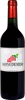
Winery Ca'BrigianoBardolino Classico
 wine
wine
This wine generally goes well with
The Bardolino Classico of the Winery Ca'Brigiano is in the top 0 of wines of Bardolino Classico.

Details and technical informations about Winery Ca'Brigiano's Bardolino Classico.
Discover the grape variety: Incrocio Manzoni
Structured, aromatic dry whites with a pale golden colour, a full palate and preserved acidity, showing signature aromas of white-fleshed fruits (pear, peach), white flowers (acacia), citrus and mineral notes typical of Riesling. Good ageing potential. Grown in Veneto and Friuli, it produces distinctive Italian wines and contributes to structured whites of the north-east. Family of Italian varieties obtained by Luigi Manzoni at Conegliano (best known: 6.0.13 Riesling × Pinot Blanc).
Informations about the Winery Ca'Brigiano
The Winery Ca'Brigiano is one of of the world's great estates. It offers 15 wines for sale in the of Bardolino Classico to come and discover on site or to buy online.

The wine region of Bardolino Classico
Venetian DOC on the east shore of Lake Garda (historical subzone: Affi, Bardolino, Cavaion, Costermano, Garda, Lazise): blend of Corvina (35-80%, structure, morello cherry), Rondinella (10-40%, attractive herbal) and Molinara (max 15%) as light red king — signature easy-drinking profile with notes of cherry, raspberry, strawberry and black pepper, lively acidity and unique freshness. Fluvio-glacial moraine soils rich in minerals, climate tempered by lake influence.
The wine region of Veneto
World star of Prosecco: fresh, light Glera sparklers with notes of pear, green apple and white flowers, fruity, convivial bubbles. Veronese reds from Corvina and Rondinella: light, crisp Bardolino, fruity Valpolicella, opulent, concentrated Amarone DOCG (black cherry, chocolate, raisin) from dried grapes. Mineral, almondy Soave (Garganega) whites, fresh Pinot Grigio. 97,500 ha, Italy's largest production.
The word of the wine: Bâtonnage
A very old technique that has come back into fashion in modern oenology, which consists of shaking the white wine in the barrels at the end of fermentation, or after fermentation, with a stick or a flail, in order to suspend the fine lees composed of yeasts at the end of their activity. This process is sometimes used for red wines.