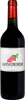
Winery Brumas de AyosaReserva
 Sparkling wine


This wine generally goes well with

Details and technical informations about Winery Brumas de Ayosa's Reserva.
Discover the grape variety: Corinto Nero
Small, intensely coloured seedless grapes, mainly destined for raisin production. More rarely vinified into confidential sweet and liqueur wines from the Aeolian Islands, with a dark colour, luscious palate and aromas of candied black fruit, raisins and spices. Grown in the Cyclades (island of Lipari) and southern Italy. A seedless mutation of the Corinth raisin, an ancient Greek black variety.
Last vintages of this wine
The best vintages of Reserva from Winery Brumas de Ayosa are 0
Informations about the Winery Brumas de Ayosa
The Winery Brumas de Ayosa is one of of the world's great estates. It offers 11 wines for sale in the of Valle de Güímar to come and discover on site or to buy online.

The wine region of Valle de Güímar
Canarian DOP (1996) on the south-east coast of Tenerife at the foot of the Teide volcano, vineyards at 175–1,500 m among the highest in Europe, volcanic and pumice soils. Listán Blanco (Palomino) is the signature white (>60% of plantings): dry and taut with citrus, green apple, white flowers and a saline volcanic mineral note, lively altitude acidity. Also as spumante. Listán Negro for fruity reds.
The wine region of Iles Canaries
Spanish vineyard archipelago spared by phylloxera, ~50 grape varieties of which 20 unique worldwide. Black volcanic soils and sub-tropical oceanic climate. Listán Negro in light, spicy red with signature notes of red cherry, wild strawberry, smoke, pepper and a volcanic mineral touch, fine tannins — an atypical style. Supple Negramoll, fresh Listán Blanco (citrus, flowers), aromatic Malvasía (candied orange, honey) historically famous.
The word of the wine: Local wine
Table wine, but with the origin indicated. It corresponds to a particular legislation: the freedom to use grape varieties is greater than for the AOC, but the quality criteria such as the approval tastings can sometimes be more demanding. The legislation is still evolving, but for the moment there are three levels: regional (e.g. Vin de Pays d'Oc), departmental and local (e.g. Côtes de Thongue).