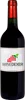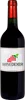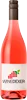
Château BoujacCapricci di Maria
 Sweet wine
This wine generally goes well with

Details and technical informations about Château Boujac's Capricci di Maria.
Discover the grape variety: Négrette
Supple, perfumed reds with a deep ruby robe, smooth tannins and a round palate, with intense, characteristic aromas of violet, red fruit (raspberry, blackcurrant), liquorice, soft spice and peppery notes. Gourmand finish; best young or short ageing. The near-exclusive star of Fronton AOC north of Toulouse (minimum 50% in blends), also made as expressive rosés. Autochthonous South-West French variety, possibly brought from Cyprus by the Knights Hospitaller.
Informations about the Château Boujac
The Château Boujac is one of of the world's great estates. It offers 18 wines for sale in the of Fronton to come and discover on site or to buy online.

The wine region of Fronton
South-West AOC north of Toulouse around its fetish grape: signature Negrette as king red (50-70%) — deep robe with signature notes of violet, peony, blackcurrant, blackberry, raspberry, liquorice, sweet spices and a peppery touch, supple tannins and elegant freshness, moreishness and persistent floral finish. Syrah, Cabernets, Cot, Gamay as backup. Fresh, aromatic rosés equally emblematic. AOC (1975), ~2,000 ha on gravelly terraces, temperate climate.
The wine region of South West
French mosaic of strong identities south of Bordeaux. Cahors and its Malbec ("black wine"): deep reds with notes of blackberry, plum, violet, tobacco and cocoa, firm tannins. Madiran and its dense, age-worthy Tannat. Jurançon whites: golden sweet (apricot, honey, pineapple) and lively dry from Petit Manseng.
The word of the wine: Performance
Quantity of grapes harvested per hectare. In AOC, the average yield is limited on the proposal of the appellation syndicate, validated by the Inao. The use of high-performance plant material (especially clones) and better control of vine diseases have increased yields. This is not without consequences on the quality of the wines (dilution) and on the state of the market (too much wine). We must not over-simplify: low yields are not synonymous with quality, and it is often in years with generous harvests that we find the greatest vintages (1982 and 1986 in Bordeaux, 1996 in Champagne, 1990 and 2005 in Burgundy...).