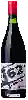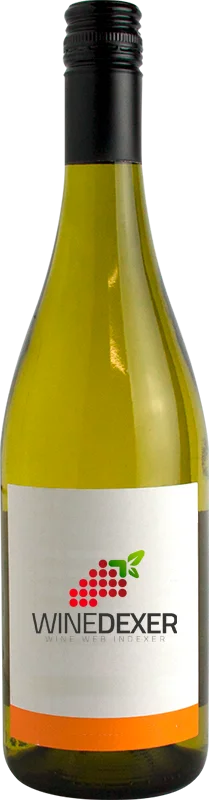
Winery BoplaasCape Pink Port
 Natural sweet wine


This wine generally goes well with

Details and technical informations about Winery Boplaas's Cape Pink Port.
Discover the grape variety: Crouchen
Fresh and barely aromatic dry whites with a pale golden robe, a supple palate and preserved acidity, with discreet aromas of white flowers, citrus (lemon) and herbal notes. A rustic thirst-quenching profile to drink young. Now rare in France, still grown in South Africa (Crouchen Blanc) and Australia (mistakenly called Clare Riesling), producing simple whites. Native French white grape from the Pyrenees, once grown in Béarn and the South-West.
Last vintages of this wine
The best vintages of Cape Pink Port from Winery Boplaas are 0
Informations about the Winery Boplaas
The Winery Boplaas is one of of the world's great estates. It offers 65 wines for sale in the of Calitzdorp to come and discover on site or to buy online.

The wine region of Calitzdorp
South African Port Wine capital (Klein Karoo, Route 62, deep alluvial red soils, microclimates under Indian Ocean breezes): Tinta Barroca, Touriga Nacional and Tempranillo as Portuguese signature reds and fortified kings — Cape Port profile of intensity and depth, concentrated dark fruits, spicy notes, enveloping sweetness. Fragrant dry Calitzdorp blend. Cabernet Sauvignon, Merlot, Shiraz and Pinotage as complement. References Boplaas, De Krans, Axe Hill.
The wine region of Western Cape
Cradle of South African wine. Signature Chenin Blanc (Steen, 20%) in ample, fresh whites with notes of quince, yellow apple, honey and acacia flower, from crisp dry to sweet. Sharp, iodised Sauvignon Blanc (Walker Bay, Constantia), balanced Chardonnay. Reds: emblematic Pinotage with roasted aromas (coffee, plum, smoke), firm Cabernet Sauvignon, spicy Syrah.
The word of the wine: Terroir
Strictly speaking, the notion of terroir corresponds to the geological characteristics of a vineyard. However, when we talk about terroir, we take into account the soil, the climate (even the microclimate), the flora, the fauna, and the human factor that characterizes the practices that make up the art of the craft.