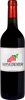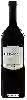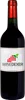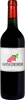
Bodegas PobladuraBarboleta Roble Prieto Picudo
 wine
wine
This wine generally goes well with
The Barboleta Roble Prieto Picudo of the Bodegas Pobladura is in the top 0 of wines of Castille-et-Léon.
Details and technical informations about Bodegas Pobladura's Barboleta Roble Prieto Picudo.
Discover the grape variety: Rkatziteli
Originally from Georgia, it is the main grape variety in the production of white wines, particularly in eastern Georgia. It is also found in Canada, China, the United States, New Zealand, Australia and a large number of Eastern European countries. In France, it is practically unknown, which seems surprising given its qualities.
Informations about the Bodegas Pobladura
The Bodegas Pobladura is one of of the world's greatest estates. It offers 4 wines for sale in the of Castille-et-Léon to come and discover on site or to buy online.

The wine region of Castille-et-Léon
Located in the northern half of the Central Iberian plateau, Castilla y León is the largest of Spain's 17 administrative regions, covering about one-fifth of the country's total area. It extends about 350 kilometres (220 miles) from central Spain to the northern coast. Just as wide, it connects the Rioja wine region to the Portuguese border. Red wines reign supreme in Castilla y León, and the Tempranillo grape is undoubtedly the king.
The word of the wine: Effervescent
Any wine loaded with CO2 (carbon dioxide), which is revealed in the form of bubbles, reinforcing the freshness effect in the mouth. This gas production is the result of what is called the second fermentation in the bottle. It occurs in champagnes and sparkling wines such as crémants.