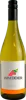
Bodegas PerahigosEl Sátiro Blanco
 wine
wine
This wine generally goes well with
The El Sátiro Blanco of the Bodegas Perahigos is in the top 0 of wines of Castille-et-Léon.

Details and technical informations about Bodegas Perahigos's El Sátiro Blanco.
Discover the grape variety: Grillo
Structured, aromatic whites with ample mouth and fresh acidity, featuring aromas of ripe citrus, yellow peach, exotic fruits, white flowers, Mediterranean herbs and marine saline notes. Tonic finish. A historic key component of Marsala DOC and star of the modern Sicilian dry white revival (Sicilia DOC). Native Sicilian grape, a natural cross of Catarratto × Moscato d'Alessandria.
Last vintages of this wine


The best vintages of El Sátiro Blanco from Bodegas Perahigos are 0
Informations about the Bodegas Perahigos
The Bodegas Perahigos is one of of the world's greatest estates. It offers 11 wines for sale in the of Castille-et-Léon to come and discover on site or to buy online.

The wine region of Castille-et-Léon
Cradle of great Castilian reds on high-altitude plateaus (450-1000 m) of the Duero. Tempranillo king (Tinto Fino, Tinta de Toro): powerful, structured reds with notes of black cherry, blackberry, plum, leather and spices, firm tannins and length worthy of long ageing. Stars: Ribera del Duero (Vega Sicilia, Pingus), fleshy Toro, Bierzo (fresh mineral Mencía). Lively herbaceous Verdejo whites from Rueda, cut grass and citrus.
The word of the wine: Chambered
Said of a wine served at a temperature around 18 °.