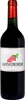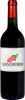
Domaine Jean-Marc BessoneFleurie Domaine de Fontaban
 wine
wine
This wine generally goes well with
The Fleurie Domaine de Fontaban of the Domaine Jean-Marc Bessone is in the top 0 of wines of Fleurie.

Details and technical informations about Domaine Jean-Marc Bessone's Fleurie Domaine de Fontaban.
Discover the grape variety: Blanc Cardon
Simple and fresh dry whites, pale golden colour, supple mouth with moderate acidity, with understated aromas of citrus and southern white flowers. Discreet rustic profile. Almost extinct commercially, preserved in INRAE varietal collections. Testifies to the ampelographic diversity of the old southern vineyard. Rare French white grape formerly grown in the South.
Informations about the Domaine Jean-Marc Bessone
The Domaine Jean-Marc Bessone is one of of the world's greatest estates. It offers 4 wines for sale in the of Fleurie to come and discover on site or to buy online.

The wine region of Fleurie
Beaujolais cru nicknamed the Queen, on the single commune of Fleurie. Signature Gamay noir: floral, perfumed reds with signature notes of violet, iris, strawberry, raspberry, peony and a peppery touch, silky tannins and an airy palate - the most delicate elegance of the crus. 13 recognised climats including Poncié, La Roilette, La Chapelle des Bois. Granitic soils with sandy gruss and manganese signing the finesse.
The wine region of Beaujolais
Kingdom of Gamay (98% of the vineyard): fruity, accessible reds with signature notes of cherry, raspberry, banana (carbonic maceration), violet and sweet spices, supple tannins and juicy acidity. From festive Beaujolais Nouveau (3rd Thursday of November) to the 10 more structured, age-worthy Crus: deep earthy Morgon, sturdy Moulin-à-Vent, floral Fleurie, crunchy Brouilly. Some lively Chardonnay. 12,000 ha south of Burgundy, granitic soils.
The word of the wine: Bordeaux futures
Bordeaux wines are expected 2 to 3 years before bottling. In the spring following the harvest, the wines are offered by the châteaux to the Bordeaux wine merchants via the brokers.