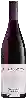
Winery Bernard MeziatFleurie
 wine
wine
This wine generally goes well with
The Fleurie of the Winery Bernard Meziat is in the top 0 of wines of Fleurie.
Details and technical informations about Winery Bernard Meziat's Fleurie.
Discover the grape variety: Brun argenté
The Brun Argenté Noir is a grape variety that originated in France (Provence). It produces a variety of grape specially used for wine making. It is rare to find this grape to eat on our tables. This variety of grape is characterized by large bunches and large grapes. The Black Silver Brown can be found in several vineyards: South West, Cognac, Bordeaux, Rhone Valley, Provence & Corsica, Languedoc & Roussillon, Loire Valley, Savoie & Bugey, Beaujolais.
Informations about the Winery Bernard Meziat
The Winery Bernard Meziat is one of of the world's greatest estates. It offers 4 wines for sale in the of Fleurie to come and discover on site or to buy online.

The wine region of Fleurie
Fleurie is a Cru Beaujolais appellation well known for its red wines made from the Gamay Grape. These wines are among the most renowned in the region, which is sometimes called "The Queen of Beaujolais". A Fleurie is typically light, Silky and supple, with a characteristic Floral">florality and Bright aromas of blueberries and red fruits. Fleurie's recognition is often attributed to its evocative name.
The wine region of Beaujolais
Beaujolais is an important wine region in eastern France, famous for its vibrant, Fruity red wines made from Gamay. It is located immediately South of Burgundy, of which it is sometimes considered a Part, although it is in the administrative region of Rhône. The extensive plantings of Gamay in this region make Beaujolais one of the few regions in the world that is so concentrated on a single Grape variety. Pinot Noir is used in small quantities in red and rosé wines, but in the name of regional identity, it is being phased out and will only be allowed until the 2015 harvest.
The word of the wine: Bleeding
Old practice for red wines. As soon as the vat is filled with grapes, the tap is opened. A sweet but clear juice escapes from the vat (it can also be used to make rosé). The colour and density of the juice is enhanced, but it should not be overdone. Rarely more than 10% of the volume of a vat, otherwise you risk losing fruit and bringing in bitterness.