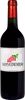
Winery Bernard FayolleCoteaux du Lyonnais Cuvée De La Tentation
 Red wine
This wine generally goes well with
The Coteaux du Lyonnais Cuvée De La Tentation of the Winery Bernard Fayolle is in the top 20 of wines of Coteaux du Lyonnais.

Details and technical informations about Winery Bernard Fayolle's Coteaux du Lyonnais Cuvée De La Tentation.
Discover the grape variety: Moscato
Sweet, lightly sparkling aromatic whites with a pale golden hue, a supple palate and preserved acidity, with intense signature aromas of muscat, rose, orange blossom, white peach, candied citrus, honey, sage and explosive muscat notes. Low alcohol, indulgent profile. Absolute star of Moscato d'Asti DOCG and Asti Spumante DOCG in Piedmont. Italian name for the muscat family (Moscato Bianco = muscat blanc à petits grains), Piedmontese signature.
Informations about the Winery Bernard Fayolle
The Winery Bernard Fayolle is one of of the world's greatest estates. It offers 4 wines for sale in the of Coteaux du Lyonnais to come and discover on site or to buy online.

The wine region of Coteaux du Lyonnais
Southern Beaujolais AOC on the Monts du Lyonnais, granite and schist soils, semi-continental climate. Signature Gamay as red king (whole-cluster Beaujolais-style): gulpable and fruity with red cherry, raspberry, wild strawberry, banana and peppery touch, fine tannins and thirst-quenching palate — accessible juicy quaffer. Also fresh, gourmand rosés. Chardonnay and Aligoté as confidential whites (apple, citrus, blossom).
The wine region of Rhone Valley
France's 2nd-largest AOC vineyard, two complementary worlds. Northern: pure Syrah in signature reds (Côte-Rôtie, Hermitage, Cornas), deep and peppery with blackberry, violet, black olive and smoked bacon notes, exceptional ageing. Opulent Viognier whites (Condrieu, apricot, flowers) and ample Marsanne-Roussanne. Southern: sun-soaked Grenache blends at Châteauneuf, Gigondas, Vacqueyras (candied fruit, garrigue).
The word of the wine: Basic wine
Dry, still wine intended for the production of sparkling wines (champagne, crémants, etc.). The basic wines undergo a second fermentation in the bottle for the production of carbon dioxide, and therefore of bubbles.