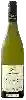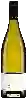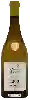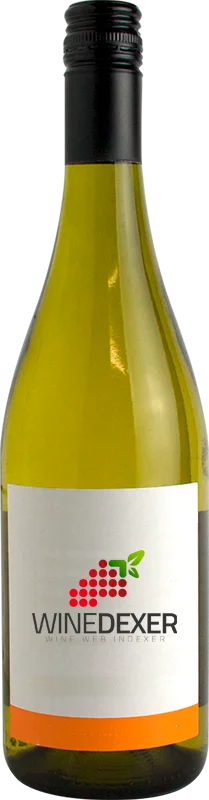
Domaine AujardCuvée La Dame Blanche Reuilly
 White wine
This wine generally goes well with
The Cuvée La Dame Blanche Reuilly of the Domaine Aujard is in the top 60 of wines of Reuilly.

Details and technical informations about Domaine Aujard's Cuvée La Dame Blanche Reuilly.
Discover the grape variety: Picpoul Blanc
Crisp, nervy dry whites with a pale golden colour, a taut palate and signature cutting acidity ("lip-stinger"), showing aromas of citrus (lemon, grapefruit), white flowers (hawthorn), green apple, Mediterranean herbs and saline marine notes. A perfect match with oysters and shellfish. The absolute star of Picpoul de Pinet AOC, Languedoc's great dry white. Indigenous French variety of the Languedoc, synonym of Piquepoul blanc.
Informations about the Domaine Aujard
The Domaine Aujard is one of of the world's greatest estates. It offers 4 wines for sale in the of Reuilly to come and discover on site or to buy online.

The wine region of Reuilly
Confidential AOC of the Centre-Loire (1937 white, 1961 red/rosé): Sauvignon Blanc signature as king white — dry, lively and signature mineral with electric notes of citrus, white flowers and fruits, chiselled acidity and round texture. Pinot Noir as king light fruity red with signature notes of cherry and raspberry, fresh crunchy profile. Pinot Gris as king dry aromatic rosé with vivid signature hues, delicate aperitif wines. Kimmeridgian clay-limestone slopes.
The wine region of Loire Valley
Kingdom of lively, dry whites and fine sparklers. Mineral, taut Sauvignon Blanc (Sancerre, Pouilly-Fumé) with citrus and gunflint notes. Multiform Chenin Blanc (Vouvray, Savennières, Layon): straight dry, floral off-dry or noble sweet honey-quince. Saline, iodised Muscadet (Melon B.
The word of the wine: Oenologist
Specialist in wine-making techniques. It is a profession and not a passion: one can be an oenophile without being an oenologist (and the opposite too!). Formerly attached to the Faculty of Pharmacy, oenology studies have become independent and have their own university course. Learning to make wine requires a good chemical background but also, increasingly, a good knowledge of the plant. Some oenologists work in laboratories (analysis). Others, the consulting oenologists, work directly in the properties.