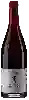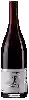
Winery BehringerBlauer Portugieser
 Red wine



This wine generally goes well with

Details and technical informations about Winery Behringer's Blauer Portugieser.
Discover the grape variety: Viosinho
Structured, aromatic dry whites with a pale golden colour, an ample palate and preserved acidity, showing refined aromas of citrus (lemon, orange), white flowers (acacia, orange blossom), yellow fruits (pear, peach, apricot) and schistous mineral notes. Fine ageing and cellaring potential. An essential component of the great whites of Douro DOC and white Port. Indigenous Portuguese variety of the Douro and Trás-os-Montes, signature of north-eastern Portugal.
Last vintages of this wine
The best vintages of Blauer Portugieser from Winery Behringer are 0
Informations about the Winery Behringer
The Winery Behringer is one of of the world's great estates. It offers 45 wines for sale in the of Franken to come and discover on site or to buy online.

The wine region of Franken
Homeland of German Silvaner: dry, straight, mineral and lively whites with notes of green apple, citrus, fresh herbs and a saline touch, planted here for over 350 years (1,500 ha, a quarter of the vineyard). Also supple, floral Müller-Thurgau, taut Riesling, aromatic Bacchus. Some discreet reds (Spätburgunder). 6,040 ha in Bavaria along the Main around Würzburg, red sandstone and shell-limestone soils.
The word of the wine: Fees
This wine is characterized by a pleasant nervousness and an overall sensation of freshness on the palate, reinforced by minerality, a note of bitterness, a hint of CO2, and of course an appropriate serving temperature.