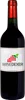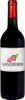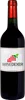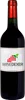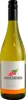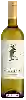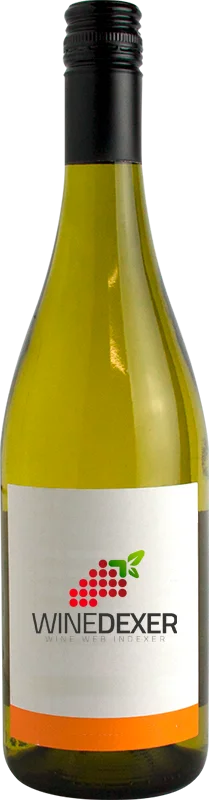
Winery Bastion de GarilleCollection de la Comtesse Vermentino
 White wine
In the mouth this white wine is a .
This wine generally goes well with vegetarian, poultry or lean fish.

Taste structure of the Collection de la Comtesse Vermentino from the Winery Bastion de Garille
Light | Bold | |
Dry | Sweet | |
Soft | Acidic |
In the mouth the Collection de la Comtesse Vermentino of Winery Bastion de Garille in the region of Pays d'Oc is a .
Food and wine pairings with Collection de la Comtesse Vermentino
Pairings that work perfectly with Collection de la Comtesse Vermentino



Original food and wine pairings with Collection de la Comtesse Vermentino


The Collection de la Comtesse Vermentino of Winery Bastion de Garille matches generally quite well with dishes of pasta, vegetarian or poultry such as recipes of pasta salmon - fresh cream, ham and comté quiche or buckwheat pancakes filled with egg, cheese and ham.
Details and technical informations about Winery Bastion de Garille's Collection de la Comtesse Vermentino.
Discover the grape variety: Vermentino
Nervy, saline whites with cutting acidity and enveloping richness, showing aromas of grapefruit, lime, pear, white flowers, fresh almond, fennel and marine iodine notes. Slightly bitter finish. Star of Sardinia (Vermentino di Gallura DOCG), Liguria, coastal Tuscany (Bolgheri) and Corsica. Also in Provence and Languedoc-Roussillon as Rolle. An autochthonous Mediterranean variety.
Informations about the Winery Bastion de Garille
The Winery Bastion de Garille is one of of the world's greatest estates. It offers 25 wines for sale in the of Pays d'Oc to come and discover on site or to buy online.

The wine region of Pays d'Oc
The single-grape IGP par excellence: modern, accessible, frank and fruity wines, the popular signature of the Midi. Spicy Syrah reds (pepper, blackberry), round Merlot, structured Cabernet, generous Grenache, supple Cinsault. Crisp, tangy rosés. Opulent Chardonnay whites, lively Sauvignon, floral, apricoty Viognier.
The word of the wine: Oenologist
Specialist in wine-making techniques. It is a profession and not a passion: one can be an oenophile without being an oenologist (and the opposite too!). Formerly attached to the Faculty of Pharmacy, oenology studies have become independent and have their own university course. Learning to make wine requires a good chemical background but also, increasingly, a good knowledge of the plant. Some oenologists work in laboratories (analysis). Others, the consulting oenologists, work directly in the properties.