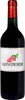
Winery BarrydaleKlein Karoo Merchant's Mark Ruby Cabernet
 Red wine
This wine generally goes well with

Details and technical informations about Winery Barrydale's Klein Karoo Merchant's Mark Ruby Cabernet.
Discover the grape variety: Ruby-cabernet
Deeply coloured, structured reds with a deep ruby robe, smooth tannins and preserved acidity under warm conditions, with aromas of blackcurrant, blackberry, plum, spice and blackcurrant-leaf herbal notes. Round palate, fruity finish. Productive and heat-tolerant, it produces high-volume reds in California (Central Valley), South Africa, Australia, Argentina, Mexico and Israel. Californian variety created in 1936 by Harold Olmo at UC Davis (Cabernet Sauvignon × Carignan).
Informations about the Winery Barrydale
The Winery Barrydale is one of of the world's greatest estates. It offers 5 wines for sale in the of Klein Karoo to come and discover on site or to buy online.

The wine region of Klein Karoo
Semi-arid South African region of the Western Cape along Route 62 (Calitzdorp, Oudtshoorn), red alluvial soils, dry continental climate. Signature fortified Cape Port-style wines (Calitzdorp = South Africa's Port capital) from Tinta Barocca, Touriga Nacional and Souzão: opulent and chocolatey with dried fig, prune, cocoa, coffee and spiced notes, rounded sweetness and length. Shiraz, Pinotage and Cabernet as structured dry reds. Home of Cape brandies.
The wine region of Western Cape
Cradle of South African wine. Signature Chenin Blanc (Steen, 20%) in ample, fresh whites with notes of quince, yellow apple, honey and acacia flower, from crisp dry to sweet. Sharp, iodised Sauvignon Blanc (Walker Bay, Constantia), balanced Chardonnay. Reds: emblematic Pinotage with roasted aromas (coffee, plum, smoke), firm Cabernet Sauvignon, spicy Syrah.
The word of the wine: Second fermentation
In the making of champagne, fermentation of the base wine to which is added the liqueur de tirage and which takes place in the bottle. This second fermentation produces the carbon dioxide, and therefore the bubbles that make up the effervescence of the wine.