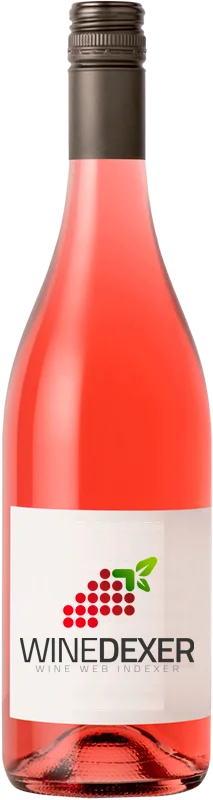
Winery AvarizzaCanarí
 Pink wine



This wine generally goes well with

Details and technical informations about Winery Avarizza's Canarí.
Discover the grape variety: Panse de Provence
Table grape with long clusters and thick-skinned, golden, crunchy berries with a balanced sweet flavour, ideal for extended storage. Grown for fresh consumption around the Mediterranean, prized for its attractive appearance and good keeping qualities; a witness to Provençal ampelographic heritage on local market stalls. Native French table grape variety from Provence, formerly grown for fresh consumption.
Last vintages of this wine
The best vintages of Canarí from Winery Avarizza are 2018, 2019, 2017, 2013 and 0.
Informations about the Winery Avarizza
The Winery Avarizza is one of of the world's greatest estates. It offers 13 wines for sale in the of Uco Valley to come and discover on site or to buy online.

The wine region of Uco Valley
Cathedral of high-end Argentine Malbec on altitude vineyards (900-1700 m). Intense, deep reds with signature notes of blackberry, black plum, violet, cocoa and sweet spices, velvety tannins and freshness drawn taut by Andean nights. Also fine, peppery Cabernet Franc, firm Cabernet Sauvignon, mineral Chardonnay, ample Sémillon. At the foot of the snowy Andes (Mendoza), alluvial soils irrigated by glacial waters.
The wine region of Mendoza
World capital of Malbec: powerful, deep reds with blackberry, plum, violet and sweet spice, round tannins and vivid fruit. Also firm Cabernet Sauvignon, supple, juicy Bonarda, aromatic floral white Torrontés. High-altitude vineyards (800-1,700 m) at the foot of the Andes, dry continental climate irrigated by glacial waters. ~80% of Argentine output across 150,000 ha.
The word of the wine: Maceration
Prolonged contact and exchange between the juice and the grape solids, especially the skin. Not to be confused with the time of fermentation, which follows maceration. The juice becomes loaded with colouring matter and tannins, and acquires aromas. For a rosé, the maceration is short so that the colour does not "rise" too much. For white wines too, a "pellicular maceration" can be practised, which allows the wine to acquire more fat.