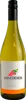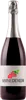
Winery Aurora CellarsBrut
 wine
wine
This wine generally goes well with
The Brut of the Winery Aurora Cellars is in the top 0 of wines of Leelanau Peninsula.

Details and technical informations about Winery Aurora Cellars's Brut.
Discover the grape variety: Sagrantino
Monumental, intensely colored reds with a deep dark ruby robe, the world's most powerful tannins and a dense palate, with signature aromas of ripe black fruits (blackberry, blackcurrant), plum, spices, Mediterranean herbs, leather and balsamic notes. Exceptional ageing potential. The undisputed star of Sagrantino di Montefalco DOCG, one of Italy's great reds. Indigenous Italian variety from Umbria, grown almost exclusively around Montefalco.
Last vintages of this wine



The best vintages of Brut from Winery Aurora Cellars are 0, 2020
Informations about the Winery Aurora Cellars
The Winery Aurora Cellars is one of of the world's greatest estates. It offers 19 wines for sale in the of Leelanau Peninsula to come and discover on site or to buy online.

The wine region of Leelanau Peninsula
Michigan AVA on a peninsula between Lake Michigan and Grand Traverse Bay (45 deg N, latitude of Bordeaux). Riesling reigns as a white star: taut and aromatic with signature notes of white apple, peach, lemon, white flowers and a mineral touch, lively and long palate — from dry to medium-sweet to ice wine. Ample Chardonnay, aromatic Gewurztraminer (lychee, rose). Fine Pinot Noir (cherry, undergrowth) and Gamay emerging.
The wine region of Michigan
Midwestern wine state on the 45th parallel (Burgundy, Piedmont), tempered by the Great Lakes (lake effect). Signature Riesling: precise, taut whites with signature notes of citrus, green apple, white peach, white flowers and saline minerality, crisp acidity - from dry to off-dry. Also ample Chardonnay, perfumed Pinot Gris, opulent Gewürztraminer (lychee, rose). Fresh, silky Pinot Noir in red.
The word of the wine: Malolactic fermentation
Called second fermentation or malo for short. It is the degradation (under the effect of bacteria) of the malic acid naturally present in the wine into milder, less aggressive lactic acid. Some producers or wineries refuse this operation by "blocking the malo" (by cold and adding SO2) to keep a maximum of acidity which carries the aromas and accentuates the sensation of freshness.