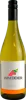
Winery AupouriChardonnay
 wine
wine
This wine generally goes well with
The Chardonnay of the Winery Aupouri is in the top 0 of wines of Gisborne.
Details and technical informations about Winery Aupouri's Chardonnay.
Discover the grape variety: Muscadoule
This direct-producing hybrid is the result of an interspecific cross between Villard blanc and Muscat de Hambourg, obtained in 1937 by Galibert Alfred and Coulondre Eric. Almost no longer multiplied, it is now clearly on the verge of extinction.
Informations about the Winery Aupouri
The Winery Aupouri is one of of the world's greatest estates. It offers 2 wines for sale in the of Gisborne to come and discover on site or to buy online.

The wine region of Gisborne
The wine region of Gisborne is located in the region of North Island of New Zealand. Wineries and vineyards like the Domaine Vinoptima or the Domaine Millton produce mainly wines white, red and pink. The most planted grape varieties in the region of Gisborne are Chardonnay, Pinot gris and Merlot, they are then used in wines in blends or as a single variety. On the nose of Gisborne often reveals types of flavors of pineapple, earth or black fruit and sometimes also flavors of red fruit, oak or non oak.
The wine region of North Island
New-zealand/north-island/northland">Northland, as its name suggests, is New Zealand's northernmost wine-producing region, around four hours' drive northwest of the country's largest city, Auckland. Most of the Northland region's wineries are situated on the east coast, particularly around the Bay of Islands and the Karikari Pensinula, with another cluster on the west coast near Kaitaia. The region's red wines are mostly produced from Syrah, Pinotage">Pinotage and the Hybrid variety Chambourcin. Chardonnay leads the way for white wine grape varieties; Pinot Gris, Viognier and Sauvignon Blanc are among the other varieties cultivated here.
The word of the wine: Hat
Solid part (marc), composed of pips and skins (sometimes of the stalk), which forms at the top of the tank during fermentation. The pigeage consists in breaking this cap to put back in suspension these elements and to favour the exchanges between the juice and the skins.