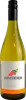
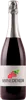
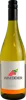
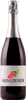
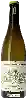
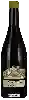
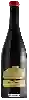
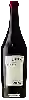
Winery Auguste PirouCôtes du Jura
 Red wine



This wine generally goes well with

Details and technical informations about Winery Auguste Pirou's Côtes du Jura.
Discover the grape variety: Vitovska
Structured, mineral dry whites with a pale golden colour, a full palate and sharp acidity, showing signature aromas of almond, white flowers, white-fleshed fruits (pear), citrus and saline mineral notes. Also made as structured orange wines with tannins and dried fruits. Star of the Carso Vitovska DOC appellation, a typical expression of the karst terroirs of the upper Adriatic. Native white variety of Italy and Slovenia from the Carso/Kras region.
Informations about the Winery Auguste Pirou
The Winery Auguste Pirou is one of of the world's greatest estates. It offers 30 wines for sale in the of Côtes du Jura to come and discover on site or to buy online.

The wine region of Côtes du Jura
Regional Jura AOC, atypical wines of strong identity. Fresh, straight Chardonnay as classic white (white flowers, citrus, apple). Savagnin under flor, oxidative signature: unique whites with notes of fresh walnut, curry, honey, overripe apple and toasted almond — the base of the legendary Vin Jaune aged 6 years in cask. Light-ruby, fruity Poulsard (strawberry, raspberry), tannic, animal Trousseau as reds.
The wine region of Jura
Unique Franche-Comté region between Burgundy and Switzerland, incomparable oxidative identity. Signature mythical Vin Jaune from Savagnin: aged 6 years 3 months in cask under flor, intense whites with signature green walnut, curry, cumin, russet apple, honey and lingering iodine — 62 cl clavelin, century-long ageing. Also classic topped-up Chardonnay (citrus, butter), pale light Poulsard red (strawberry, undergrowth), dense Trousseau, fine Pinot Noir. Sweet Vin de Paille.
The word of the wine: Load shedding
Unlike pumping over, the liquid part is completely removed from the tank before being poured over the marc. This allows for a better mixing of the solid particles and the juice.