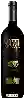
Bodegas Asenjo & MansoJoven Ribera del Duero
 wine
wine
This wine generally goes well with
The Joven Ribera del Duero of the Bodegas Asenjo & Manso is in the top 0 of wines of Ribera del Duero.

Details and technical informations about Bodegas Asenjo & Manso's Joven Ribera del Duero.
Discover the grape variety: Piedirosso
Supple, fruity reds with a clear to intense ruby robe, smooth tannins and a charming palate, with signature aromas of red fruits (cherry, raspberry), plum, spices, Mediterranean garrigue and volcanic mineral notes. Sunny Campanian profile for early drinking or short ageing. Essential component of Lacryma Christi del Vesuvio DOC and star of Campanian DOC reds (Ischia, Capri). Indigenous Italian black variety from Campania.
Informations about the Bodegas Asenjo & Manso
The Bodegas Asenjo & Manso is one of of the world's great estates. It offers 10 wines for sale in the of Ribera del Duero to come and discover on site or to buy online.

The wine region of Ribera del Duero
Cradle of great modern Spanish reds: Tempranillo (95% of the vineyard, here Tinto Fino) powerful, deep and elegant with notes of black cherry, blackberry, candied plum, leather, cedar and spices, firm tannins and sustained acidity thanks to altitude (720-1100 m). Classification by age: Crianza, Reserva, Gran Reserva. Harsh continental climate, clay-limestone soils. DO since 1982, 19,000 ha in Castilla y León.
The wine region of Castille-et-Léon
Cradle of great Castilian reds on high-altitude plateaus (450-1000 m) of the Duero. Tempranillo king (Tinto Fino, Tinta de Toro): powerful, structured reds with notes of black cherry, blackberry, plum, leather and spices, firm tannins and length worthy of long ageing. Stars: Ribera del Duero (Vega Sicilia, Pingus), fleshy Toro, Bierzo (fresh mineral Mencía). Lively herbaceous Verdejo whites from Rueda, cut grass and citrus.
The word of the wine: Sulphating
Treatment, formerly practiced with copper sulfate, applied to the vine to prevent cryptogamic diseases.