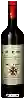
Château des ArnaudsCuvée Champs des Graves Lalande-de-Pomerol
 Red wine
This wine generally goes well with
Details and technical informations about Château des Arnauds's Cuvée Champs des Graves Lalande-de-Pomerol.
Discover the grape variety: Avana
Very old grape variety cultivated in northern Italy in the Piedmont region. It would have been introduced in Savoy at the beginning of the 17th century. An A.D.N. study, dating from 2011, shows that Hibou noir and Avana are one and the same variety. It should also be noted that Amigne is its half-sister, Rèze its grandmother and Rouge du Pays (a variety from the Swiss Valais) its grandfather.
Informations about the Château des Arnauds
The Château des Arnauds is one of of the world's greatest estates. It offers 8 wines for sale in the of Lalande-de-Pomerol to come and discover on site or to buy online.

The wine region of Lalande-de-Pomerol
The wine region of Lalande-de-Pomerol is located in the region of Libournais of Bordeaux of France. Wineries and vineyards like the Château La Fleur de Boüard or the Château La Faurie Maison Neuve produce mainly wines red and other. The most planted grape varieties in the region of Lalande-de-Pomerol are Merlot, Cabernet-Sauvignon and Cabernet franc, they are then used in wines in blends or as a single variety. On the nose of Lalande-de-Pomerol often reveals types of flavors of earth, eucalyptus or coconut and sometimes also flavors of lavender, citrus or black licorice.
The wine region of Bordeaux
Bordeaux, in southwestern France, is one of the most famous, prestigious and prolific wine regions in the world. The majority of Bordeaux wines (nearly 90% of the production Volume) are the Dry, medium and Full-bodied red Bordeaux blends for which it is famous. The finest (and most expensive) are the wines of the great châteaux of Haut-Médoc and the right bank appellations of Saint-Émilion and Pomerol. The former focuses (at the highest level) on Cabernet Sauvignon, the latter on Merlot.
The word of the wine: Bitter (flavor)
A flavour generally provided in wines by polyphenols and accompanied by a sensation of pungency. In small quantities, bitterness makes you salivate, gives relief to the wine and reinforces its sapidity.