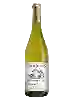
Winery Armand DartoisBeaujolais-Villages Primeur
 Red wine
In the mouth this red wine is a with a nice freshness.
This wine generally goes well with pork, poultry or veal.

Taste structure of the Beaujolais-Villages Primeur from the Winery Armand Dartois
Light | Bold | |
Smooth | Tannic | |
Dry | Sweet | |
Soft | Acidic |
In the mouth the Beaujolais-Villages Primeur of Winery Armand Dartois in the region of Beaujolais is a with a nice freshness.
Food and wine pairings with Beaujolais-Villages Primeur
Pairings that work perfectly with Beaujolais-Villages Primeur



Original food and wine pairings with Beaujolais-Villages Primeur

The Beaujolais-Villages Primeur of Winery Armand Dartois matches generally quite well with dishes of pasta, veal or pork such as recipes of pasta with veal stock sauce, pork tenderloin with chorizo and peppers or wild boar bourguignon.
Details and technical informations about Winery Armand Dartois's Beaujolais-Villages Primeur.
Discover the grape variety: Black Monukka
Table grape with long bunches and elongated seedless (pipless) blue-black berries, thin skin and crunchy sweet flesh, with a soft, fruity flavour. Very rarely vinified. Grown in Central Asia, the Mediterranean, California and South Africa for fresh consumption, also used for premium raisins. Very old seedless black table grape variety, probably originating from Central Asia.
Informations about the Winery Armand Dartois
The Winery Armand Dartois is one of of the world's great estates. It offers 30 wines for sale in the of Beaujolais to come and discover on site or to buy online.

The wine region of Beaujolais
Kingdom of Gamay (98% of the vineyard): fruity, accessible reds with signature notes of cherry, raspberry, banana (carbonic maceration), violet and sweet spices, supple tannins and juicy acidity. From festive Beaujolais Nouveau (3rd Thursday of November) to the 10 more structured, age-worthy Crus: deep earthy Morgon, sturdy Moulin-à-Vent, floral Fleurie, crunchy Brouilly. Some lively Chardonnay. 12,000 ha south of Burgundy, granitic soils.
The word of the wine: Presses
The juice that results from pressing the grapes after fermentation. At the end of the maceration, the vats are emptied, the first juice obtained is called the free-run wine and the marc remaining at the bottom of the vat is then pressed to give the press wine. We say more quickly "the presses". Their quality varies according to the vintage and the maceration. A too vigorous extraction releases the tannins of pips and the wine of press can then prove to be very astringent. Often the winemaker raises it separately, deciding later whether or not to incorporate it totally or partially into the grand vin.