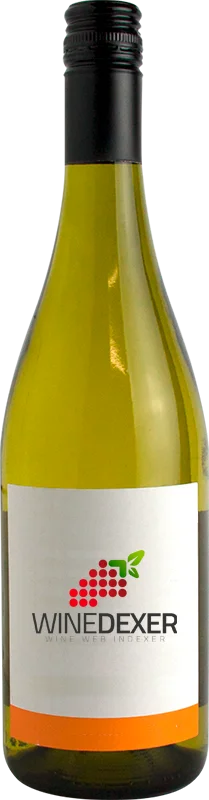
Winery Ànima NobleGodello
 White wine



This wine generally goes well with
The Godello of the Winery Ànima Noble is in the top 40 of wines of Monterrei.

Details and technical informations about Winery Ànima Noble's Godello.
Discover the grape variety: Vijariego Negro
Light, fruity reds with a clear ruby robe, smooth tannins and an airy palate with preserved acidity. Signature aromas of red fruits (cherry, raspberry), soft spices and characteristic smoky volcanic notes. Distinctively insular profile. Preserved for its heritage value, it is part of the native Canarian grapes under study and embodies Atlantic island identity. Native Spanish black grape of the Canary Islands, grown mainly on Tenerife, recently rediscovered.
Last vintages of this wine
The best vintages of Godello from Winery Ànima Noble are 2018, 0
Informations about the Winery Ànima Noble
The Winery Ànima Noble is one of of the world's greatest estates. It offers 1 wines for sale in the of Monterrei to come and discover on site or to buy online.

The wine region of Monterrei
Galician DO south-east of Ourense on the Portuguese border, micro-climate blending continental and Atlantic. Godello is the signature white king: structured and taut with green apple, pear, citrus, white flowers, honey, almond and a mineral touch, ample and long palate — one of the greatest Galician whites. Floral Treixadura, lively Doña Blanca. Mencía is the flagship red: juicy and fresh (raspberry, cherry, violet, pepper, graphite), fine tannins.
The wine region of Galice
Oceanic northwest Spain, cradle of the great Iberian whites. Signature Albarino of Rias Baixas: lively, saline whites with signature notes of citrus, white peach, white flowers, fresh almond and iodine minerality, a taut palate — a perfect match for Atlantic seafood. Also premium Godello (pear, citrus, butter), aromatic Treixadura. Supple Mencia reds (raspberry, herbs, graphite).
The word of the wine: Rootstock
American vine on which a French vine is grafted. This is the consequence of the phylloxera that destroyed the vineyard at the end of the 19th century: after much trial and error, it was discovered that the "pest" spared the roots of the American vines, and the technique became widespread.