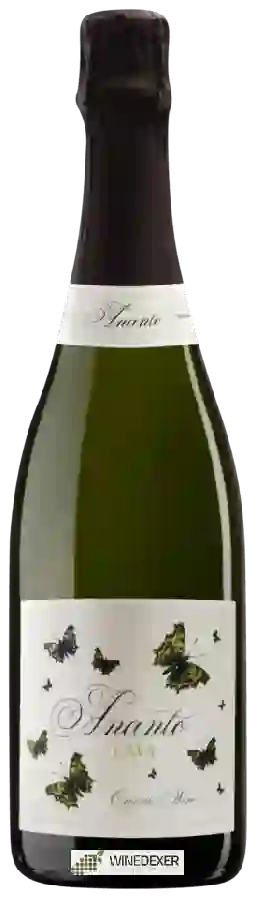
Winery AnantoCava Brut Nature
 wine
wine
This wine generally goes well with
The Cava Brut Nature of the Winery Ananto is in the top 0 of wines of Cava.

Details and technical informations about Winery Ananto's Cava Brut Nature.
Discover the grape variety: Christmas rose
Table grape with long clusters of pink-red berries with thin skin and crunchy flesh, with a pleasant sweet taste. Late variety (harvest in autumn/early winter, hence the name). Very rarely vinified. Grown mainly in California and Chile for export markets, prized for its attractive pink-red appearance, good shelf life and late availability. American black table grape obtained by crossing for fresh consumption.
Last vintages of this wine



The best vintages of Cava Brut Nature from Winery Ananto are 0
Informations about the Winery Ananto
The Winery Ananto is one of of the world's greatest estates. It offers 7 wines for sale in the of Cava to come and discover on site or to buy online.

The wine region of Cava
Spain's star traditional-method sparkler, the Iberian equivalent of Champagne. Three Catalan grapes blended: Macabeo (apple, freshness), Xarel-lo (body and herbaceous notes), Parellada (elegance and floral finesse). Chardonnay and Pinot Noir also allowed. From fruit-driven Brut to Gran Reserva (30 months on lees) with brioche and toasted notes.
The word of the wine: Dosing liqueur (champagne)
Also known as liqueur d'expédition, a solution made up of wine and sugar added to champagne after disgorgement and which determines the type of wine: extra-brut, brut, extra-dry, dry, demi-sec.


