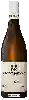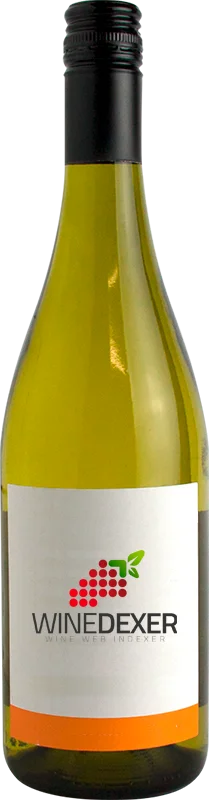
Winery Africa FiveSauvignon Blanc
 White wine


In the mouth this white wine is a with a nice freshness.
This wine generally goes well with vegetarian, shellfish or goat cheese.

Taste structure of the Sauvignon Blanc from the Winery Africa Five
Light | Bold | |
Dry | Sweet | |
Soft | Acidic |
In the mouth the Sauvignon Blanc of Winery Africa Five in the region of Western Cape is a with a nice freshness.
Food and wine pairings with Sauvignon Blanc
Pairings that work perfectly with Sauvignon Blanc



Original food and wine pairings with Sauvignon Blanc
The Sauvignon Blanc of Winery Africa Five matches generally quite well with dishes of shellfish, vegetarian or goat cheese such as recipes of quinoa with shrimp, zucchini and goat cheese quiche or onion and goat/honey tart.
Details and technical informations about Winery Africa Five's Sauvignon Blanc.
Discover the grape variety: Regner
Aromatic, fruity whites best drunk young, with a pale golden robe, an ample palate with moderate acidity, and signature muscat aromas, exotic fruits (lychee), white flowers, and intense floral notes. Also produced as off-dry and sweet styles. Grown in Germany, England, and Luxembourg. A German white variety obtained in 1929 at Alzey by Georg Scheu (Luglienca bianca × Gamay).
Last vintages of this wine

The best vintages of Sauvignon Blanc from Winery Africa Five are 2018, 0, 2014
Informations about the Winery Africa Five
The Winery Africa Five is one of of the world's great estates. It offers 12 wines for sale in the of Western Cape to come and discover on site or to buy online.

The wine region of Western Cape
Cradle of South African wine. Signature Chenin Blanc (Steen, 20%) in ample, fresh whites with notes of quince, yellow apple, honey and acacia flower, from crisp dry to sweet. Sharp, iodised Sauvignon Blanc (Walker Bay, Constantia), balanced Chardonnay. Reds: emblematic Pinotage with roasted aromas (coffee, plum, smoke), firm Cabernet Sauvignon, spicy Syrah.
The word of the wine: Extraction
All the methods (pumping over, punching down) that allow the colour and tannins to be extracted from the grape skin during maceration, before fermentation begins. It is also possible to macerate after fermentation, but gently, so as not to extract the tannins from the seeds, which are greener. Because of its solvent power, alcohol favours extraction.