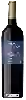
Winery AdamoPinot Noir
 Red wine
In the mouth this red wine is a with a nice freshness.
This wine generally goes well with poultry, beef or veal.

Taste structure of the Pinot Noir from the Winery Adamo
Light | Bold | |
Smooth | Tannic | |
Dry | Sweet | |
Soft | Acidic |
In the mouth the Pinot Noir of Winery Adamo in the region of Ontario is a with a nice freshness.
Wine flavors and olphactive analysis

Food and wine pairings with Pinot Noir
Pairings that work perfectly with Pinot Noir



Original food and wine pairings with Pinot Noir

The Pinot Noir of Winery Adamo matches generally quite well with dishes of beef, veal or game (deer, venison) such as recipes of melt-in-the-mouth pork tenderloin casserole, roast pork with onions and honey or duck leg confit in cider.
Details and technical informations about Winery Adamo's Pinot Noir.
Discover the grape variety: Pinot noir
Elegant reds, light in colour with silky tannins, showing strawberry, cherry and raspberry aromas, evolving to forest floor, mushroom and spice with age. Fresh acidity, delicate finish. Star of the Côte d'Or (Romanée-Conti, Chambertin, Volnay), pillar of Champagne (Blanc de Noirs) and signature of Oregon, Central Otago and Sonoma Coast. An early-ripening Burgundian variety, one of the world's greatest.
Informations about the Winery Adamo
The Winery Adamo is one of of the world's great estates. It offers 32 wines for sale in the of Ontario to come and discover on site or to buy online.

The wine region of Ontario
World reference for Canadian Icewine: exceptional sweet wines from grapes frozen on the vine, golden colour, signature notes of candied apricot, mango, honey, citrus and exotic fruits, opulent sugar balanced by taut acidity (Vidal for fruit, Riesling for finesse). Cool-climate still wines: mineral, lively Riesling, precise Chardonnay, fine Pinot Noir (cherry, undergrowth), peppery Cabernet Franc. ~5,500 ha on the Niagara Peninsula between Lake Ontario and the escarpment, VQA.
The word of the wine: Hat
Solid part (marc), composed of pips and skins (sometimes of the stalk), which forms at the top of the tank during fermentation. The pigeage consists in breaking this cap to put back in suspension these elements and to favour the exchanges between the juice and the skins.