Wines made from White muscat grapes of Thracian Valley
Discover the best wines made with White muscat as a single variety or as a blend of Thracian Valley.
Discover the best wines made with White muscat as a single variety or as a blend of Thracian Valley.
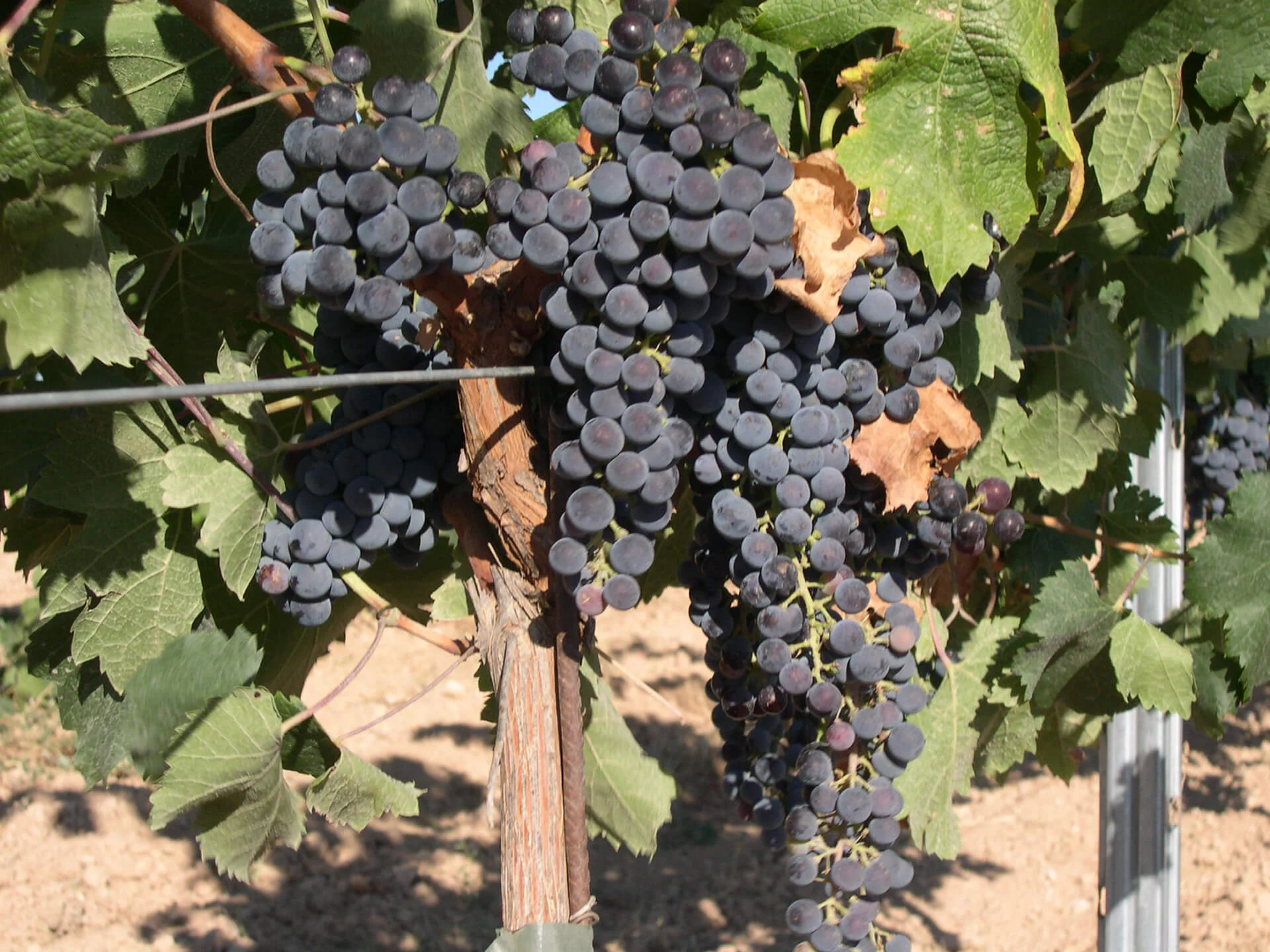
Aromatic, refined whites with a fragrant palate and preserved acidity, showing intense, signature muscat aromas of rose, orange blossom, citrus, exotic fruits (lychee, mango), fresh grape and honey. Made as crisp dry, sparkling (Asti DOCG) and great naturally sweet wines (Beaumes-de-Venise AOC, Muscat de Rivesaltes AOC, Frontignan AOC, Lunel AOC, Samos PDO). Ancient Mediterranean variety, one of the oldest cultivated worldwide, ancestor of many muscats.
Bulgaria's largest wine region, land of identity-driven reds. Signature Mavrud around Plovdiv: a structured, tannic red with notes of blackberry, candied plum, dry herbs, leather and spices, long ageing. Fleshy, deep Rubin (Nebbiolo × Syrah cross), supple, fruity Pamid, dense Melnik 55. Aromatic Red Misket whites (rose, citrus).