Wines made from Pinot gris grapes of Sachsen
Discover the best wines made with Pinot gris as a single variety or as a blend of Sachsen.
Discover the best wines made with Pinot gris as a single variety or as a blend of Sachsen.
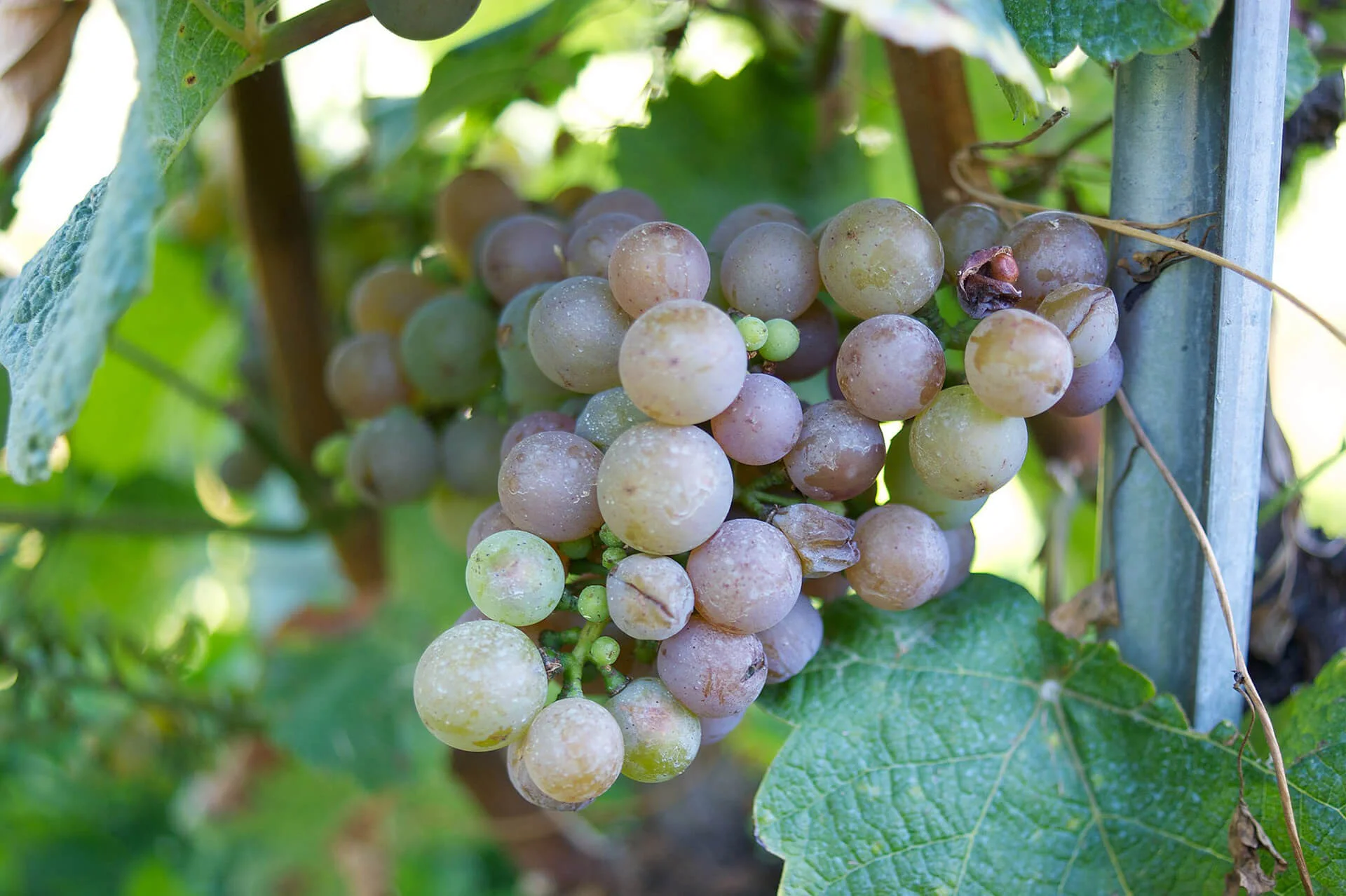
Rich, ample whites with a golden robe, showing aromas of pear, quince, honey, smoke, ginger and spice. Made as structured dry wines (Alsace AOC), off-dry and sumptuous late-harvest sweet (vendange tardive, sélection de grains nobles). Lighter and crisper in Italy as Pinot Grigio (Veneto, Friuli). Also in Germany (Grauburgunder), Hungary (Szürkebarát) and Oregon. A grey mutation of Pinot Noir.
The northernmost and one of the smallest German wine regions (507 ha), the Elbe valley on loess and granite. Lively, mineral whites largely dominate (81%). Signature Müller-Thurgau with signature notes of light muscat, green apple, white flowers and a citrus touch, supple palate. Taut, chiselled Riesling (lemon, peach), round Weißburgunder (pear, almond), ample Grauburgunder, rare aromatic Goldriesling.