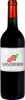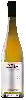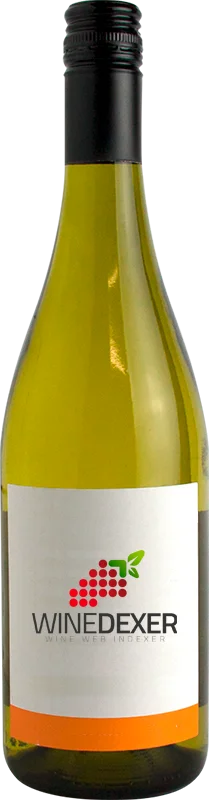
Winery Weinhaus Zu WeimarWeinhaus Zu Weimar Saale-Unstrut Auxerrois Trocken
 White wine


This wine generally goes well with
The Weinhaus Zu Weimar Saale-Unstrut Auxerrois Trocken of the Winery Weinhaus Zu Weimar is in the top 60 of wines of Saale-Unstrut.

Details and technical informations about Winery Weinhaus Zu Weimar's Weinhaus Zu Weimar Saale-Unstrut Auxerrois Trocken.
Discover the grape variety: Auxerrois
Rich, round whites with tender mouth and moderate acidity, featuring aromas of ripe yellow fruits, white flowers, subtle honey, fresh almond and brioche notes. Often blended with Pinot Blanc in Alsace (cuvées labelled "Pinot Blanc" often contain a good proportion) and a pillar of Crémant d'Alsace. Also in French and Luxembourgish Moselle, Côtes-de-Toul and Baden. Lorraine grape, a Pinot Noir × Gouais Blanc cross, half-sibling of Chardonnay.
Last vintages of this wine

The best vintages of Weinhaus Zu Weimar Saale-Unstrut Auxerrois Trocken from Winery Weinhaus Zu Weimar are 0, 2013
Informations about the Winery Weinhaus Zu Weimar
The Winery Weinhaus Zu Weimar is one of of the world's greatest estates. It offers 12 wines for sale in the of Saale-Unstrut to come and discover on site or to buy online.

The wine region of Saale-Unstrut
Germany's northernmost region (Saxony-Anhalt), ~650 ha. Nordic whites that are dry, lively and mineral with signature notes of green apple, citrus, white flowers, fresh herbs and a crisp finish — a direct, thirst-quenching style. Dominant Muller-Thurgau (~22%) light and floral, Weissburgunder (Pinot Blanc) round and precise, herbaceous Silvaner and taut Riesling. Early grapes suited to the harsh continental climate.
The word of the wine: Breeding
It can last for several years. The bottles are stacked in the cellars and waited for the light and heat. The yeasts gradually give the wine compounds that enrich it. A long maturation is a guarantee of quality.