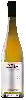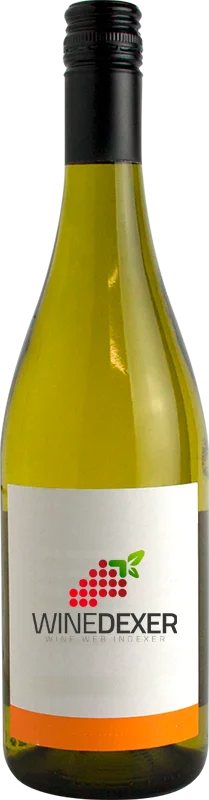
Winery Weinbau Dr. LindickeWerderaner Wachtelberg Saphira Trocken
 White wine



This wine generally goes well with
Details and technical informations about Winery Weinbau Dr. Lindicke's Werderaner Wachtelberg Saphira Trocken.
Discover the grape variety: Barras
It most certainly originates from the Tarn region, a variety that has completely disappeared from the vineyard and is therefore on the way out. It was very difficult to find documentation concerning it, especially since there is a slight confusion with malpé. D.N.A. analyses processed by a specific software (U.M.R.-A.G.A.P. Montpellier) indicate that malpé is the result of a cross between cahours and fer.
Last vintages of this wine
The best vintages of Werderaner Wachtelberg Saphira Trocken from Winery Weinbau Dr. Lindicke are 0
Informations about the Winery Weinbau Dr. Lindicke
The Winery Weinbau Dr. Lindicke is one of of the world's great estates. It offers 26 wines for sale in the of Saale-Unstrut to come and discover on site or to buy online.

The wine region of Saale-Unstrut
Saale-Unstrut is the northernmost of Germany's 13 wine-growing regions. At 51 degrees northern latitude, it is one of the most northerly wine regions in the world. It takes its name from the two rivers on the banks of which the Vines of the region grow, and is composed of three non-contiguous Parts located mainly in the federal state of Saxony-Anhalt, with around 650 hectares (1600 acres) of Vineyards, often terraced, on South and south-west-facing slopes along the narrow river valleys. A smaller area of 20 hectares (50 acres) is located in the state of Thüringen and a block of just 7 hectares (17 acres) in Brandenburg.
The word of the wine: Tanin
A natural compound contained in the skin of the grape, the seed or the woody part of the bunch, the stalk. The maceration of red wines allows the extraction of tannins, which give the texture, the solidity and also the mellowness when the tannins are "ripe". The winemaker seeks above all to extract the tannins from the skin, the ripest and most noble. The tannins of the seed or stalk, which are "greener", especially in average years, give the wine hardness and astringency. The wines of Bordeaux (based on Cabernet and Merlot) are full of tannins, those of Burgundy much less so, with Pinot Noir containing little.