Vignoble Sainte PétronillePinot Gris
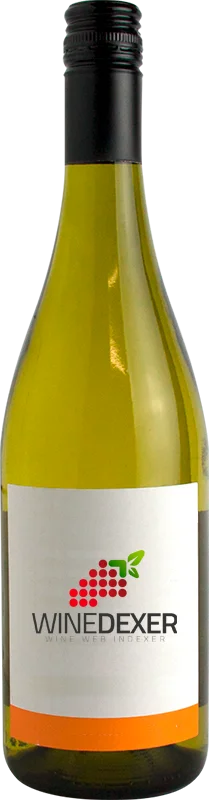
 White wine



In the mouth this white wine is a .
This wine generally goes well with pork, cured meat or mushrooms.

Taste structure of the Pinot Gris from the Vignoble Sainte Pétronille
Light | Bold | |
Dry | Sweet | |
Soft | Acidic |
In the mouth the Pinot Gris of Vignoble Sainte Pétronille in the region of Quebec is a .
Food and wine pairings with Pinot Gris
Pairings that work perfectly with Pinot Gris



Original food and wine pairings with Pinot Gris

The Pinot Gris of Vignoble Sainte Pétronille matches generally quite well with dishes of pork, spicy food or mushrooms such as recipes of stuffed artichoke, indian style coral lentils or stuffed cabbage leaves.
Details and technical informations about Vignoble Sainte Pétronille's Pinot Gris.
Discover the grape variety: Pinot gris
Rich, ample whites with a golden robe, showing aromas of pear, quince, honey, smoke, ginger and spice. Made as structured dry wines (Alsace AOC), off-dry and sumptuous late-harvest sweet (vendange tardive, sélection de grains nobles). Lighter and crisper in Italy as Pinot Grigio (Veneto, Friuli). Also in Germany (Grauburgunder), Hungary (Szürkebarát) and Oregon. A grey mutation of Pinot Noir.
Last vintages of this wine
The best vintages of Pinot Gris from Vignoble Sainte Pétronille are 0
Informations about the Vignoble Sainte Pétronille
The Vignoble Sainte Pétronille is one of of the world's greatest estates. It offers 11 wines for sale in the of Quebec to come and discover on site or to buy online.

The wine region of Quebec
Booming Canadian vineyard (~70 estates, 400+ ha), an extreme continental climate (-36 C) imposing hardy hybrid grapes. A world-renowned speciality: golden ice wines with signature notes of honey, candied apricot, yellow peach, mango and crisp acidity, a sweet-lively balance — made from frozen-harvested Vidal. Fruity Frontenac reds (cherry, plum, spice), lively Seyval Blanc and Saint-Pepin whites (citrus, white flowers). 1.
The word of the wine: Bleeding
Old practice for red wines. As soon as the vat is filled with grapes, the tap is opened. A sweet but clear juice escapes from the vat (it can also be used to make rosé). The colour and density of the juice is enhanced, but it should not be overdone. Rarely more than 10% of the volume of a vat, otherwise you risk losing fruit and bringing in bitterness.