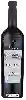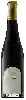
Winery Cantina ToblinoVino Santo Puro
 Sweet wine


This wine generally goes well with

Details and technical informations about Winery Cantina Toblino's Vino Santo Puro.
Discover the grape variety: Nosiola
Dry, vivid and delicate whites with a pale golden robe, slender mouthfeel and fresh acidity, with signature aromas of fresh hazelnut, green apple, citrus, white flowers, almond and alpine mineral notes. Also produced as a great amber passito with dried fruit, honey and candied apricot notes. Star of Trentino Nosiola DOC and exclusive component of the prestigious Vino Santo Trentino DOC. An autochthonous Trentino variety whose very name evokes the hazelnut.
Last vintages of this wine
The best vintages of Vino Santo Puro from Winery Cantina Toblino are 1999
Informations about the Winery Cantina Toblino
The Winery Cantina Toblino is one of of the world's greatest estates. It offers 32 wines for sale in the of Trentino to come and discover on site or to buy online.

The wine region of Trentino
Alpine Italian vineyard with identity-driven native grapes. Teroldego, "prince of Trentino", as a signature red: deep and fleshy with notes of blackberry, plum, violet and bitter almond, firm tannins and altitude freshness (Teroldego Rotaliano DOC). Fruity Marzemino (cherry, spices), dense Lagrein, light Schiava. Precise whites: mineral Nosiola, fresh Pinot Grigio, taut Chardonnay.
The wine region of Trentino-Alto-Adige
Italy's northernmost alpine vineyard, two identities. Aromatic, precise whites are the stars: signature opulent Gewurztraminer (lychee, rose, spice), ample Pinot Grigio, mineral Pinot Bianco, lively high-altitude Muller-Thurgau. Native reds: dense fruity Teroldego (blackberry, violet), deep Lagrein with plum and chocolate notes, light crunchy Schiava, spicy Marzemino. Trento DOC Metodo Classico sparklers.
The word of the wine: Reassembly
During the vinification process, a "cap" is formed at the top of the vats with the solid parts (skin, pulp, pips, etc.), which contain tannins and colouring elements. Pumping over consists of emptying the vat from the bottom and pouring the juice back to the top, in order to mix the cap and the juice and to favour the exchange and the extraction. This old technique allows a better exchange between the solid parts and the liquid.