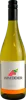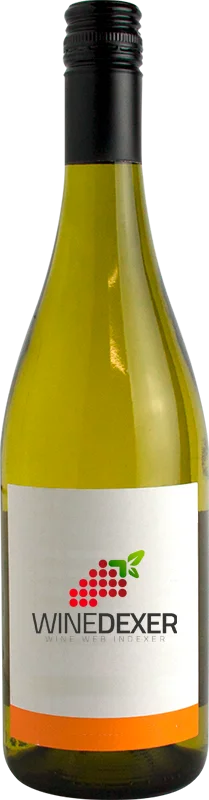
Winery TeneguíaBlanco
 White wine


This wine generally goes well with

Details and technical informations about Winery Teneguía's Blanco.
Discover the grape variety: Black Muscat
Opulent and perfumed sweet and fortified wines with a dark ruby robe, a dense and unctuous palate, showing intense muscat signature aromas (rose, fresh grape), candied red fruits (cherry, strawberry), honey and gentle spices. Also an aromatic table grape. Grown in Australia (Rutherglen), California, South Africa and the Mediterranean for sweet fortified wines. Aromatic black grape obtained in 1837 in England, Muscat of Alexandria × Schiava Grossa, also known as Muscat of Hamburg.
Last vintages of this wine

The best vintages of Blanco from Winery Teneguía are 2020, 2015, 2019, 2017 and 0.
Informations about the Winery Teneguía
The Winery Teneguía is one of of the world's great estates. It offers 20 wines for sale in the of La Palma to come and discover on site or to buy online.

The wine region of La Palma
Canary Islands DO on the volcanic island of La Palma, altitude vineyards (400-1,200 m), mineral volcanic soils (Teneguía ash), ungrafted vines that escaped phylloxera. Listán Blanco and Malvasía aromática signature white kings: saline and taut with citrus, green apple, white flowers, herbs and iodic volcanic mineral touch. Supple Listán Negro and Negramoll in reds. Unique tradition of vinos de tea aged in Canarian pine.
The wine region of Iles Canaries
Spanish vineyard archipelago spared by phylloxera, ~50 grape varieties of which 20 unique worldwide. Black volcanic soils and sub-tropical oceanic climate. Listán Negro in light, spicy red with signature notes of red cherry, wild strawberry, smoke, pepper and a volcanic mineral touch, fine tannins — an atypical style. Supple Negramoll, fresh Listán Blanco (citrus, flowers), aromatic Malvasía (candied orange, honey) historically famous.
The word of the wine: Alcoholic fermentation
Transformation of sugars into alcohol under the effect of yeast. These yeasts exist in their natural state in the vineyards and in the cellars. Artificial seeding with selected yeasts is however very often practiced.