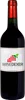
Winery TavernaBarbera d'Alba
 wine
wine
This wine generally goes well with
The Barbera d'Alba of the Winery Taverna is in the top 0 of wines of Barbera d'Alba.

Details and technical informations about Winery Taverna's Barbera d'Alba.
Discover the grape variety: Solaris
Aromatic, structured whites with an ample palate and moderate acidity, with intense, muscat-like aromas of yellow peach, apricot, exotic fruits (pineapple, mango), white flowers, honey and discreet herbal notes. Made as both expressive dry whites and sweet wines. A very early, mildew- and powdery-mildew-resistant interspecific variety, driving organic viticulture in northern regions (Germany, Switzerland, Denmark, Sweden, UK). Created in 1975 in Freiburg (Merzling × Geisenheim 6493).
Informations about the Winery Taverna
The Winery Taverna is one of of the world's greatest estates. It offers 6 wines for sale in the of Barbera d'Alba to come and discover on site or to buy online.

The wine region of Barbera d'Alba
Premium Piedmontese Barbera around Alba (heart of the Langhe). Fleshier, more concentrated reds than neighbouring Asti, with signature notes of ripe black cherry, candied plum, violet and sweet spices, characteristic fresh acidity and round tannins. Frequent barrel ageing (chocolate, vanilla). Generous palate, accessible young, age-worthy Superiore versions.
The wine region of Piedmont
Kingdom of Nebbiolo: Barolo and Barbaresco DOCG, long-ageing reds with firm tannins and lively acidity, complex aromas of withered rose, sour cherry, tar, truffle and undergrowth. More accessible, tangy Barbera on red fruit, supple, crisp Dolcetto. Sweet, floral sparkling Moscato d'Asti, mineral, lemony Gavi (Cortese) white, round, almondy Arneis from Roero. 50,000 ha across the Langhe, Roero and Monferrato, UNESCO.
The word of the wine: Oenologist
Specialist in wine-making techniques. It is a profession and not a passion: one can be an oenophile without being an oenologist (and the opposite too!). Formerly attached to the Faculty of Pharmacy, oenology studies have become independent and have their own university course. Learning to make wine requires a good chemical background but also, increasingly, a good knowledge of the plant. Some oenologists work in laboratories (analysis). Others, the consulting oenologists, work directly in the properties.