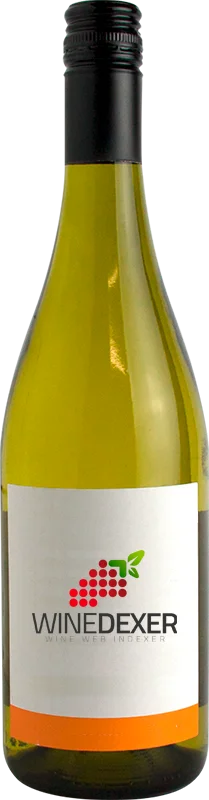
Winery Tasmanian IconSauvignon Blanc
 White wine



In the mouth this white wine is a with a nice freshness.
This wine generally goes well with vegetarian, shellfish or goat cheese.

Taste structure of the Sauvignon Blanc from the Winery Tasmanian Icon
Light | Bold | |
Dry | Sweet | |
Soft | Acidic |
In the mouth the Sauvignon Blanc of Winery Tasmanian Icon in the region of Tasmanie is a with a nice freshness.
Wine flavors and olphactive analysis

Food and wine pairings with Sauvignon Blanc
Pairings that work perfectly with Sauvignon Blanc


Original food and wine pairings with Sauvignon Blanc
The Sauvignon Blanc of Winery Tasmanian Icon matches generally quite well with dishes of shellfish, vegetarian or goat cheese such as recipes of chicken chop suey, quiche with leeks and fresh salmon from flo or zucchini gratin with goat cheese and almond milk.
Details and technical informations about Winery Tasmanian Icon's Sauvignon Blanc.
Discover the grape variety: Tempranillo Blanco
Structured, aromatic dry whites with a pale golden robe, an ample palate and preserved acidity, with signature aromas of yellow fruits (pear, peach, apricot), white flowers (acacia), citrus and herbaceous notes. Fine barrel-ageing potential, a qualitative diversification among the great modern white Riojas. Grown in Rioja DOCa, authorised in 2007. A white-skinned mutation of Tempranillo discovered by chance in 1988.
Last vintages of this wine
The best vintages of Sauvignon Blanc from Winery Tasmanian Icon are 0
Informations about the Winery Tasmanian Icon
The Winery Tasmanian Icon is one of of the world's greatest estates. It offers 4 wines for sale in the of Tasmanie to come and discover on site or to buy online.

The wine region of Tasmanie
Cool austral island south of Australia, a cool-climate benchmark. Signature Pinot Noir: fine, fresh reds with notes of red cherry, raspberry, wild strawberry and spices, delicate tannins and taut acidity — often compared to Burgundy. Precise, mineral Chardonnay (lemon, brioche), vibrant dry Riesling. Renowned speciality: refined traditional-method sparklers, among the best outside France.
The word of the wine: Alcoholic fermentation
Transformation of sugars into alcohol under the effect of yeast. These yeasts exist in their natural state in the vineyards and in the cellars. Artificial seeding with selected yeasts is however very often practiced.