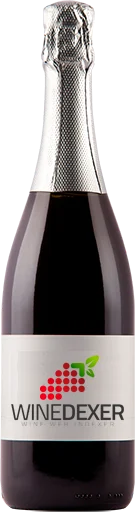
Winery TamburlaineHigh & Dry Premium Cuvée
 Sparkling wine


This wine generally goes well with

Wine flavors and olphactive analysis


On the nose the High & Dry Premium Cuvée of Winery Tamburlaine in the region of Nouvelle-Galles du Sud often reveals types of flavors of microbio.
Details and technical informations about Winery Tamburlaine's High & Dry Premium Cuvée.
Discover the grape variety: Malvasia nera di Brindisi
Structured, aromatic reds with good ageing potential, deep purple, full-bodied tannins and a broad palate, with aromas of dark fruits (plum, blackberry), spices, tobacco and Mediterranean balsamic notes. Warm Salento profile. Often blended with Negroamaro, it adds aromatic richness to the great reds of southern Puglia. Black Malvasia variety grown near Brindisi in Puglia.
Last vintages of this wine
The best vintages of High & Dry Premium Cuvée from Winery Tamburlaine are 2016, 0
Informations about the Winery Tamburlaine
The Winery Tamburlaine is one of of the world's great estates. It offers 93 wines for sale in the of Orange to come and discover on site or to buy online.

The wine region of Orange
High-altitude Australian region (600-1,100 m) in New South Wales: signature Chardonnay as king white — racy and mineral with notes of lively citrus, green apple, pear, white flowers and a chalky touch, chiselled acidity preserved by the cool climate. Pinot Noir, spicy Shiraz and structured Cabernet as elegant reds (cherry, pepper, blackberry, cedar). Taut Sauvignon Blanc as backup. GI (1997), volcanic basaltic soils on Mount Canobolas (extinct volcano), cool high-altitude climate.
The wine region of Nouvelle-Galles du Sud
Australia's 2nd wine state with diverse regions. Iconic Hunter Valley: a Sémillon unlike any other, straight, low-alcohol dry whites with vivid citrus when young, evolving over 10-20 years toward honey, toast and lanolin. Medium-bodied Hunter Shiraz, spicy and earthy (leather, red fruits). Also round Chardonnay and aromatic Verdelho.
The word of the wine: Tired
Wine that is too old, faded or has suffered from handling such as racking or bottling. In the first case it is too late, in the second case the wine must be put to rest for a few weeks in the cellar.