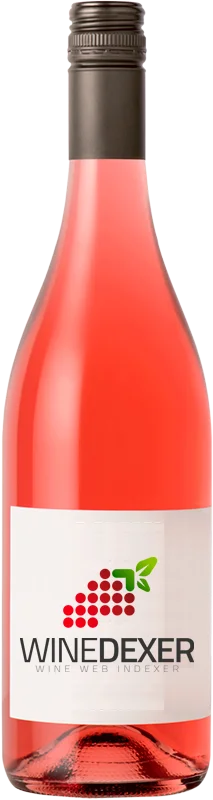
Winery SgrevaGrada Classico Chiaretto
 Pink wine



This wine generally goes well with
Details and technical informations about Winery Sgreva's Grada Classico Chiaretto.
Discover the grape variety: Isa
Crossing obtained in 1964 between the gloria hungariae or glory of Hungary (Hungarian millennium X muscatel Thalloczy Lajos) by the cardinal. The Isa is registered since 1996 in the Official Catalogue of table grape varieties list A1.
Last vintages of this wine
The best vintages of Grada Classico Chiaretto from Winery Sgreva are 0
Informations about the Winery Sgreva
The Winery Sgreva is one of of the world's greatest estates. It offers 16 wines for sale in the of Bardolino Chiaretto to come and discover on site or to buy online.

The wine region of Bardolino Chiaretto
The wine region of Bardolino Chiaretto is located in the region of Bardolino of Vénétie of Italy. Wineries and vineyards like the Domaine Corte Olivi or the Domaine Le Morette produce mainly wines pink, sparkling and red. The most planted grape varieties in the region of Bardolino Chiaretto are Rondinella, Corvina and Molinara, they are then used in wines in blends or as a single variety. On the nose of Bardolino Chiaretto often reveals types of flavors of red fruit, grapefruit or strawberries and sometimes also flavors of raspberry, red currant or citrus fruit.
The wine region of Veneto
Veneto is an important and growing wine region in northeastern Italy. Veneto is administratively Part of the Triveneto area, aLong with its smaller neighbors, Trentino-Alto Adige and Friuli-Venezia Giulia. In terms of geography, culture and wine styles, it represents a transition from the Alpine and Germanic-Slavic end of Italy to the warmer, drier, more Roman lands to the South. Veneto is slightly smaller than the other major Italian wine regions - Piedmont, Tuscany, Lombardy, Puglia and Sicily - but it produces more wine than any of them.
The word of the wine: Tanin
A natural compound contained in the skin of the grape, the seed or the woody part of the bunch, the stalk. The maceration of red wines allows the extraction of tannins, which give the texture, the solidity and also the mellowness when the tannins are "ripe". The winemaker seeks above all to extract the tannins from the skin, the ripest and most noble. The tannins of the seed or stalk, which are "greener", especially in average years, give the wine hardness and astringency. The wines of Bordeaux (based on Cabernet and Merlot) are full of tannins, those of Burgundy much less so, with Pinot Noir containing little.