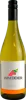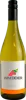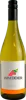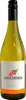
Winery SaricaCaii de la Letea Ediție Limitată Chardonnay Dulce
 Sweet wine
This wine generally goes well with pork, vegetarian or poultry.
The Caii de la Letea Ediție Limitată Chardonnay Dulce of the Winery Sarica is in the top 80 of wines of Sarica Niculitel.

Food and wine pairings with Caii de la Letea Ediție Limitată Chardonnay Dulce
Pairings that work perfectly with Caii de la Letea Ediție Limitată Chardonnay Dulce



Original food and wine pairings with Caii de la Letea Ediție Limitată Chardonnay Dulce

The Caii de la Letea Ediție Limitată Chardonnay Dulce of Winery Sarica matches generally quite well with dishes of pork, rich fish (salmon, tuna etc) or vegetarian such as recipes of pork chops with curry and honey, salmon in bellevue or cream and tuna quiche.
Details and technical informations about Winery Sarica's Caii de la Letea Ediție Limitată Chardonnay Dulce.
Discover the grape variety: Chardonnay
Whites with many faces: mineral and taut at Chablis (lemon, green apple, flint), opulent and buttery at Meursault and Puligny-Montrachet (hazelnut, brioche, yellow fruits), tense and chalky in Champagne (Blanc de Blancs). Also vinified sparkling and widely exported (Sonoma, Margaret River, Casablanca). A Burgundian variety, a cross of Pinot Noir × Gouais Blanc, half-sibling of Aligoté.
Informations about the Winery Sarica
The Winery Sarica is one of of the world's great estates. It offers 85 wines for sale in the of Sarica Niculitel to come and discover on site or to buy online.

The wine region of Sarica Niculitel
Romanian DOP of Dobrogea (southeast) between the Danube, Delta and Macin mountains, limestone soils on basalt substrate, temperate continental and windy climate. Signature Feteasca Neagra as native red king: structured and spiced with black cherry, plum, blackberry, undergrowth, leather and peppery touch, firm tannins and ageing — Romanian black emblem. Floral Feteasca Alba and Aligote in fresh whites, supple Babeasca Neagra in light red. Merlot and Cabernet as complement.
The word of the wine: Film maceration
A technique that consists of leaving the grapes to macerate in the open air at a low temperature before fermentation, thus enhancing the aromatic expression of the wine.