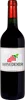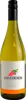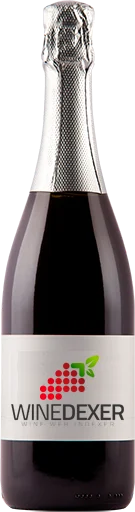
Winery Sala Vivé'Elaborado especialmente para' Vino Espumoso
 Sparkling wine


This wine generally goes well with

Details and technical informations about Winery Sala Vivé's 'Elaborado especialmente para' Vino Espumoso.
Discover the grape variety: Doçal
Simple, fresh whites best drunk young, with a pale golden robe, a light palate with moderate acidity, and discreet aromas of citrus, white flowers and neutral notes. A rare heritage profile. Practically disappeared from commercial cultivation, preserved in a few heritage plots and studied by Portuguese ampelography centres. Rare Portuguese white grape grown in the north of the country, in Trás-os-Montes.
Last vintages of this wine
The best vintages of 'Elaborado especialmente para' Vino Espumoso from Winery Sala Vivé are 2011, 0
Informations about the Winery Sala Vivé
The Winery Sala Vivé is one of of the world's greatest estates. It offers 17 wines for sale in the of Querétaro to come and discover on site or to buy online.

The wine region of Querétaro
Wine state of central Mexico, high-altitude vineyards (1,800-2,000 m), strong thermal amplitudes. National leader in traditional-method sparklings with notes of white apple, citrus, white flowers and a brioche touch, fine bubbles and fresh palate. Supple Merlot reds (plum, cherry), solar Syrah (blackberry, pepper), dense Malbec, accessible Tempranillo. Full Chardonnay whites, zesty Sauvignon, straight Macabeo.
The wine region of Center
Central Israel between Jerusalem and Tel Aviv, high-altitude vineyards (up to 1,000 m) in the Judean Hills, terra rossa over limestone and tufa, warm days and cool nights. Cabernet Sauvignon, Merlot and Syrah are the signature reds: elegant and structured with blackcurrant, blackberry, black cherry, Mediterranean garrigue and a mineral-calcareous hint, balanced tannins. Taut mineral Chardonnay, lively Sauvignon and ample Sémillon as refined whites. Emerging Pinot Noir.
The word of the wine: Aging on lees
Maturing on the lees enhances the stability, aromatic complexity and texture of white wines, which gain in body and volume. This phenomenon is induced by autolysis, the process of self-degradation of the lees.