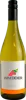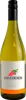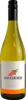
Winery SaalhofFantastique Johanniter
 White wine



This wine generally goes well with
The Fantastique Johanniter of the Winery Saalhof is in the top 5 of wines of Wognum.

Details and technical informations about Winery Saalhof's Fantastique Johanniter.
Discover the grape variety: Johanniter
Aromatic, structured whites with a full palate and firm acidity, showing aromas of yellow fruits (peach, apricot), citrus, white flowers, honey and mineral notes reminiscent of Riesling. Refreshing. Mildew- and powdery-mildew-resistant interspecific variety, a driver of organic viticulture in northern regions: Germany (Baden), Switzerland, Netherlands, Belgium, UK and Denmark. German hybrid created in 1968 in Freiburg (Riesling × Seyve-Villard).
Last vintages of this wine
The best vintages of Fantastique Johanniter from Winery Saalhof are 0, 2014
Informations about the Winery Saalhof
The Winery Saalhof is one of of the world's greatest estates. It offers 14 wines for sale in the of Wognum to come and discover on site or to buy online.

The wine region of Wognum
Dutch viticultural commune of Noord-Holland (between Hoorn and Alkmaar), temperate humid climate softened by polders and the North Sea. Modern Piwi signature varieties (Solaris, Johanniter, Souvignier Gris, Cabernet Cortis, Regent, Rondo) as lively aromatic whites with citrus, exotic fruits, white flowers and a fresh herbal touch, and as supple reds with red fruits and a spiced touch. Young, innovative and disease-resistant Dutch wines, polder identity.
The wine region of West Friesland
Wine region in northern Netherlands (North Holland province), cool maritime climate, young vineyard relying on resistant hybrids. Solaris is the signature white: aromatic and early-ripening with intense citrus, stone fruit, green apple, pineapple and a floral hint, lively acidity. Johanniter, Souvignier Gris and Phoenix as vibrant whites. Regent and Rondo as light, fruity reds.
The word of the wine: Maderised
Term used to designate oxidized wines in reference to Madeira wines.