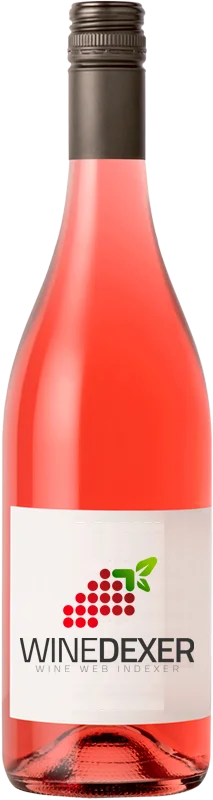
Winery Rayon d'OrPineau des Charentes Rosé
 Pink wine
This wine generally goes well with

Details and technical informations about Winery Rayon d'Or's Pineau des Charentes Rosé.
Discover the grape variety: Saint Pépin
Aromatic, fruity whites with a pale golden robe, a supple palate with preserved acidity, featuring aromas of white flowers, white-fleshed fruits (apple, pear) and light muscat notes. Extremely cold-hardy. Grown in the northern United States (Minnesota, Wisconsin) and Canada for rigorous continental viticultural climates. American white hybrid variety obtained in 1987 by Elmer Swenson in Minnesota.
Informations about the Winery Rayon d'Or
The Winery Rayon d'Or is one of wineries to follow in Cognac.. It offers 3 wines for sale in the of Cognac to come and discover on site or to buy online.

The wine region of Cognac
Charente vineyard dedicated to distillation for Cognac eau-de-vie (AOC 1936). Six signature ranked crus: Grande Champagne the most prestigious (elegance and length), fine Petite Champagne, round and floral Borderies, fruity Fins Bois, rustic Bons Bois, ordinary Bois. Spirits with grape, white flowers, dried fruits, vanilla, leather, spice and noble rancio notes — from young VS to long-aged XO. Ugni Blanc king (98%), Folle Blanche, Colombard.
The word of the wine: Herbaceous
Vegetable odour reminiscent of freshly cut grass and considered a defect of the wine.