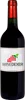
Winery Polin & PolinConvicts & Catholics Tempranillo
 wine
wine
This wine generally goes well with
The Convicts & Catholics Tempranillo of the Winery Polin & Polin is in the top 0 of wines of New England Australia.

Details and technical informations about Winery Polin & Polin's Convicts & Catholics Tempranillo.
Discover the grape variety: Valdiguié
Supple and fruity reds with a clear ruby robe, melted tannins and fresh acidity, with aromas of red fruits (raspberry, cherry, strawberry), soft spices and floral notes. A light, thirst-quenching style, best drunk young, often by carbonic maceration. Grown in California as "Napa Gamay" and in Languedoc IGPs. An autochthonous south-west variety once ubiquitous in France, now in revival for modern cuvées.
Informations about the Winery Polin & Polin
The Winery Polin & Polin is one of of the world's greatest estates. It offers 9 wines for sale in the of New England Australia to come and discover on site or to buy online.

The wine region of New England Australia
New South Wales GI on the Northern Tablelands (Great Dividing Range, 400-1,000 m, among the highest altitudes in Australia, Burgundy-like altitude continental climate, spring frosts): Chardonnay the signature most-planted white — stone fruit character, barrel ageing adding creamy complexity, marked varietal expression. Durif as complement, resistant to moisture-driven fungal pressure from coastal humidity. GI 2008.
The wine region of Nouvelle-Galles du Sud
Australia's 2nd wine state with diverse regions. Iconic Hunter Valley: a Sémillon unlike any other, straight, low-alcohol dry whites with vivid citrus when young, evolving over 10-20 years toward honey, toast and lanolin. Medium-bodied Hunter Shiraz, spicy and earthy (leather, red fruits). Also round Chardonnay and aromatic Verdelho.
The word of the wine: Chaptalization
The addition of sugar at the time of fermentation of the must, an ancient practice, but theorized by Jean-Antoine Chaptal at the dawn of the 19th century. The sugar is transformed into alcohol and allows the natural degree of the wine to be raised in a weak or cold year, or - more questionably - when the winegrower has a harvest that is too large to obtain good maturity.