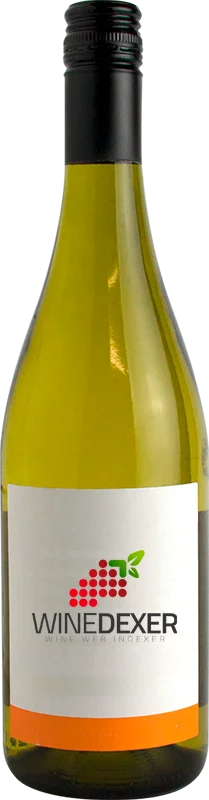
Winery Pietra TauraFiueé
 White wine


In the mouth this white wine is a powerful.
This wine generally goes well with vegetarian, appetizers and snacks or shellfish.

Taste structure of the Fiueé from the Winery Pietra Taura
Light | Bold | |
Dry | Sweet | |
Soft | Acidic |
In the mouth the Fiueé of Winery Pietra Taura in the region of Puglia is a powerful.
Food and wine pairings with Fiueé
Pairings that work perfectly with Fiueé



Original food and wine pairings with Fiueé
The Fiueé of Winery Pietra Taura matches generally quite well with dishes of shellfish, vegetarian or appetizers and snacks such as recipes of shrimp in red sauce, light tuna-tomato quiche (without cream) or baguette filled with saint moret and ham.
Details and technical informations about Winery Pietra Taura's Fiueé.
Discover the grape variety: Friulano
Rich and structured whites with excellent ageing potential, a deep golden hue, an ample palate with fresh acidity and signature aromas of bitter almond, white flowers (acacia), ripe yellow fruits (peach, pear) and mineral notes. Star of the Collio DOC and Colli Orientali del Friuli DOC appellations, a typical expression of the marly soils of Friuli. Emblematic white variety of Friuli, Italy, formerly called Tocai Friulano.
Last vintages of this wine
The best vintages of Fiueé from Winery Pietra Taura are 0
Informations about the Winery Pietra Taura
The Winery Pietra Taura is one of of the world's great estates. It offers 15 wines for sale in the of Puglia to come and discover on site or to buy online.

The wine region of Puglia
Heel of the boot, 80% red vineyard, sunny and generous. Fleshy, jammy Primitivo (= Zinfandel) with notes of black cherry, plum, chocolate and spices, powerful alcohol and melted tannins, a star in Primitivo di Manduria. Deep, structured Negroamaro (black-bitter) with a bitter finish in Salice Salentino. Structured Nero di Troia, spicy Susumaniello.
The word of the wine: Aging on lees
Maturing on the lees enhances the stability, aromatic complexity and texture of white wines, which gain in body and volume. This phenomenon is induced by autolysis, the process of self-degradation of the lees.