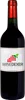
Maison RiviereChâteau Parazol Minervois
 Red wine
This wine generally goes well with beef, veal or pasta.
Food and wine pairings with Château Parazol Minervois
Pairings that work perfectly with Château Parazol Minervois



Original food and wine pairings with Château Parazol Minervois
The Château Parazol Minervois of Maison Riviere matches generally quite well with dishes of beef, pasta or veal such as recipes of spaghetti with beef balls, pasta with vongoles (flat clams) or veal blanquette burger.
Details and technical informations about Maison Riviere's Château Parazol Minervois.
Discover the grape variety: Onchette
A very old grape variety that was once grown on the left bank of the Drac Valley in the south of the Isère department - Cordéac, Saint Jean d'Hérans, Saint Baudille et Pipet, ... -. Virtually unknown in other French wine-growing regions, it is very little propagated today, although it is registered in the Official Catalogue of wine grape varieties, list A1. According to Thierry Lacombe (I.N.R.A./Montpellier), it is the result of a natural intraspecific cross between the white gouais and the chatus, as is also the serenèze of Voreppe.
Informations about the Maison Riviere
The Maison Riviere is one of wineries to follow in Minervois.. It offers 231 wines for sale in the of Minervois to come and discover on site or to buy online.

The wine region of Minervois
Minervois is an appellation for distinctive red wines from the western Languedoc region of France. In general, they are softer than those produced in the Corbières, just to the South. The Minervois appellation also covers rosé and white wines. The predominant Grape varieties used in AOC Minervois wines are Grenache, Syrah and Mourvèdre.
The wine region of Languedoc-Roussillon
Languedoc (formerly Coteaux du Languedoc) is a key appellation used in the Languedoc-Roussillon wine region of southern France. It covers Dry table wines of all three colors (red, white and rosé) from the entire region, but leaves Sweet and Sparkling wines to other more specialized appellations. About 75% of all Languedoc wines are red, with the remaining 25% split roughly down the middle between whites and rosés. The appellation covers most of the Languedoc region and almost a third of all the vineyards in France.
The word of the wine: Phenolic ripeness
A distinction is made between the ripeness of sugars and acids and the ripeness of tannins and other compounds such as anthocyanins and tannins, which will bring structure and colour. Grapes can be measured at 13° potential without having reached this phenolic maturity. Vinified at this stage, they will give hard, astringent wines, without charm.