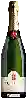
Winery PicchiMetodo Classico Brut Nature
 wine
wine
This wine generally goes well with
The Metodo Classico Brut Nature of the Winery Picchi is in the top 0 of wines of Oltrepo Pavese Metodo Classico.

Details and technical informations about Winery Picchi's Metodo Classico Brut Nature.
Discover the grape variety: Mondeuse
Structured, elegant age-worthy reds with a dark ruby colour, firm tannins and an ample palate with beautiful preserved acidity, showing signature aromas of black fruits (blackberry, blackcurrant), black pepper, violet and alpine spices. Star of the Vin de Savoie AOC appellation (Arbin, Saint-Jean-de-la-Porte), defining the great Savoyard age-worthy reds, a typical expression of the French Alps. Official synonym of Mondeuse Noire, French autochthonous black variety from Savoie.
Informations about the Winery Picchi
The Winery Picchi is one of of the world's greatest estates. It offers 14 wines for sale in the of Oltrepo Pavese Metodo Classico to come and discover on site or to buy online.

The wine region of Oltrepo Pavese Metodo Classico
Lombard DOCG sparkling wine (southern Pavia province, 36-40 months on lees): Pinot Nero is the signature king (≥85%) complemented by Chardonnay, Pinot Grigio or Pinot Bianco (≤15%) — intense straw robe, fine persistent bubbles, broad and harmonious profile with bread crust, dried fruits, ripe red fruits and white flowers, mineral sapidity, lively freshness and long finish. Signature classic method, exceptional structure.
The wine region of Lombardia
Three poles. Franciacorta DOCG, Italy's answer to Champagne: elegant brioche traditional-method sparklers (Chardonnay, Pinot Noir, Pinot Blanc), fine bubble and mineral profile. Alpine Valtellina: Nebbiolo (alias Chiavennasca) with fine tannins and red fruits, powerful Sforzato passito. Oltrepò Pavese: fresh Pinot Noir and fruity-sparkling Bonarda.
The word of the wine: Flavours
There are generally four so-called fundamental flavours: acidity, bitterness, sweetness and saltiness. The first three are considered to be the building blocks of the structure of wines. They are perceived by the taste buds that cover the surface of the tongue.