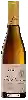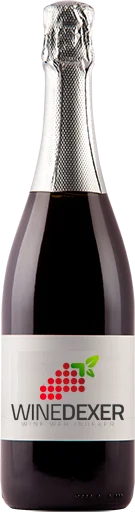
Winery MullineuxLeeu Passant Old Vines Lötter Cinsault Methode Ancestrale
 Sparkling wine



This wine generally goes well with

Details and technical informations about Winery Mullineux's Leeu Passant Old Vines Lötter Cinsault Methode Ancestrale.
Discover the grape variety: Aledo
Table grape with long bunches and juicy, crunchy golden berries, firm flesh and a neutral sweet flavour, prized for its exceptional shelf life. Late ripening. Grown mainly for end-of-year consumption (Christmas grape) in the Vinalopó (Alicante), it benefits from the IGP Uva de Mesa Embolsada del Vinalopó. Spanish white table grape variety, native to the Valencia and Alicante region.
Last vintages of this wine
The best vintages of Leeu Passant Old Vines Lötter Cinsault Methode Ancestrale from Winery Mullineux are 0
Informations about the Winery Mullineux
The Winery Mullineux is one of of the world's great estates. It offers 46 wines for sale in the of Swartland to come and discover on site or to buy online.

The wine region of Swartland
South African renaissance north of Cape Town: signature Chenin Blanc as king white (old bush vines) — full and mineral with notes of quince, honey, yellow fruits, toasted almond and a saline touch, noble texture and a refined finish. Signature Syrah as king red — spicy and fleshy with blackberry, raspberry, garrigue and pepper, fine tannins. Grenache and Cinsault complete it. Non-interventionist winemaking (whole bunch, old foudres).
The wine region of Western Cape
Cradle of South African wine. Signature Chenin Blanc (Steen, 20%) in ample, fresh whites with notes of quince, yellow apple, honey and acacia flower, from crisp dry to sweet. Sharp, iodised Sauvignon Blanc (Walker Bay, Constantia), balanced Chardonnay. Reds: emblematic Pinotage with roasted aromas (coffee, plum, smoke), firm Cabernet Sauvignon, spicy Syrah.
The word of the wine: Food and wine pairing
It is the set of techniques that allow for the pleasant combination of food and wine. Food and wine pairing is based on a few basic principles, such as similarity, complementarity or contrast, and involves all the elements that make up the wine and the food (flavours, textures, aromas, etc.).