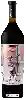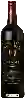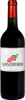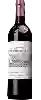
Château Moulin du TerrierBordeaux
 Red wine


This wine generally goes well with
Details and technical informations about Château Moulin du Terrier's Bordeaux.
Discover the grape variety: Carignan
Mainly cultivated in the Languedoc region, carignan originates from Spain. Because of its very resistant branches, it is often called hardwood. Its bunches are quite large. They are compact and winged with a lignified stalk. The berries are spherical in shape and take on a bluish-black colour. Carignan has a total of 25 approved clones, the best known of which are 274, 65 and 9. The carignan buds at the beginning of June and is protected from spring frosts. It does not reach maturity until the third period. Also, this grape variety needs warmth and sunshine. It appreciates dry and not very fertile soils. Carignan vines can live for more than 100 years. Those that are more than 30 years old produce a better wine. This wine is well coloured. It is generous and powerful at the same time. Pepper, cherry, blackberry, banana, raspberry, almond, prune and violet are some of the aromas that this grape variety gives off.
Last vintages of this wine
The best vintages of Bordeaux from Château Moulin du Terrier are 0
Informations about the Château Moulin du Terrier
The Château Moulin du Terrier is one of of the world's greatest estates. It offers 3 wines for sale in the of Bordeaux to come and discover on site or to buy online.

The wine region of Bordeaux
Bordeaux, in southwestern France, is one of the most famous, prestigious and prolific wine regions in the world. The majority of Bordeaux wines (nearly 90% of the production Volume) are the Dry, medium and Full-bodied red Bordeaux blends for which it is famous. The finest (and most expensive) are the wines of the great châteaux of Haut-Médoc and the right bank appellations of Saint-Émilion and Pomerol. The former focuses (at the highest level) on Cabernet Sauvignon, the latter on Merlot.
The word of the wine: Acidic (flavor)
Acidity is present in all wines, and is essential in white wines. It is due to the presence of different organic acids in the wine, and is expressed in the mouth by a sensation of freshness combined with other elements, such as minerality or a note of bitterness. Moderately present, it brings relief and vivacity to the wine.