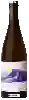
Winery Moulin De ChaslesCuvée de L'Espérance
 wine
wine
This wine generally goes well with
The Cuvée de L'Espérance of the Winery Moulin De Chasles is in the top 0 of wines of Côteaux du Layon.
Details and technical informations about Winery Moulin De Chasles's Cuvée de L'Espérance.
Discover the grape variety: Courbu
Courbu is indigenous to the Pyrenean vineyards. This white grape variety is part of the Jurançon family. Three clones are recognized in this variety, which buds in the medium term, develops regularly and has satisfactory productivity. The way in which the shoots form is characteristic. Initially upright, they bend and curve, giving a parasol-like finish to the vine. A vigorous rootstock is recommended to see the Courbu develop and mature at a late age. The small clusters display quite distinctive features. Not necessarily winged, they are pignate and stocky, with a rounded or rather flattened shape. A light pink veil covers the most mature berries, but the original colour varies from yellow-green to golden white. Vinification enhances the juice of this variety. The bouquet becomes more refined with age under a pale yellow colour. Dry or sweet, this wine is always remarkably fine.
Informations about the Winery Moulin De Chasles
The Winery Moulin De Chasles is one of of the world's greatest estates. It offers 2 wines for sale in the of Côteaux du Layon to come and discover on site or to buy online.

The wine region of Côteaux du Layon
The wine region of Côteaux du Layon is located in the region of Centre Loire of Loire Valley of France. Wineries and vineyards like the Domaine Baumard or the Domaine Moulin Touchais produce mainly wines white, sweet and red. The most planted grape varieties in the region of Côteaux du Layon are Chenin blanc, Cabernet franc and Cabernet-Sauvignon, they are then used in wines in blends or as a single variety. On the nose of Côteaux du Layon often reveals types of flavors of pineapple, smoke or plum and sometimes also flavors of coffee, vanilla or strawberries.
The wine region of Loire Valley
The Loire Valley is a key wine region in western France. It follows the course of the Loire River on its Long journey through the heart of France, from the inland hills of the Auvergne to the plains of the French Atlantic coast near Nantes (Muscadet country). Important in terms of quantity and quality, the region produces large quantities (about 4 million h/l each year) of everyday wines, as well as some of France's greatest wines. Diversity is another of the region's major assets; the styles of wine produced here range from the light, tangy Muscadet to the Sweet, honeyed Bonnezeaux, the Sparkling whites of Vouvray and the juicy, Tannic reds of Chinon and Saumur.
The word of the wine: Reserve wine (champagne)
Older wines, kept in vats or aged in wood in some houses, or kept in magnums at Bollinger. A small percentage of these wines are used in the blending of non-vintage wines in order to bring greater aromatic complexity.