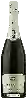
Winery Monte SalineBardolino Chiaretto Brut
 Sparkling wine


This wine generally goes well with

Details and technical informations about Winery Monte Saline's Bardolino Chiaretto Brut.
Discover the grape variety: Montils
Crisp, neutral dry whites with a pale colour, a supple palate and high acidity, showing simple aromas of white flowers, white fruits (apple), citrus and understated neutral notes. A productive style mainly destined for Cognac distillation. A traditional component of Cognac AOC blends, contributing to the aromatic identity of Charentais brandy. Indigenous French variety of the South-West and the Charentes, a heritage grape.
Last vintages of this wine
The best vintages of Bardolino Chiaretto Brut from Winery Monte Saline are 0
Informations about the Winery Monte Saline
The Winery Monte Saline is one of of the world's greatest estates. It offers 15 wines for sale in the of Bardolino Chiaretto to come and discover on site or to buy online.

The wine region of Bardolino Chiaretto
Flagship rosé DOC of Lake Garda (Veneto): signature blend of Corvina (~40%), Rondinella, Molinara, Corvinone and Merlot as king rosé — signature pale coral-pink robe with signature red-fruit aromas, redcurrant, raspberry and cherry, fresh dry fruity palate, light refreshing profile with delicate notes. DOC, south-east lake shores, morainic soils, mild lake climate, ideal with antipasti, charcuterie, fish and cheese.
The wine region of Veneto
World star of Prosecco: fresh, light Glera sparklers with notes of pear, green apple and white flowers, fruity, convivial bubbles. Veronese reds from Corvina and Rondinella: light, crisp Bardolino, fruity Valpolicella, opulent, concentrated Amarone DOCG (black cherry, chocolate, raisin) from dried grapes. Mineral, almondy Soave (Garganega) whites, fresh Pinot Grigio. 97,500 ha, Italy's largest production.
The word of the wine: Côte des Blancs
One of the most famous terroirs of the Champagne region, from Épernay to Vertus, mainly devoted to Chardonnay, hence its name. The villages of Chouilly, Cramant, Cuis, Mesnil-sur-Oger, Avize, etc., lying on the chalk, are in a way to Champagne what Meursault, Chablis and Puligny are to Burgundy.