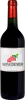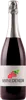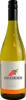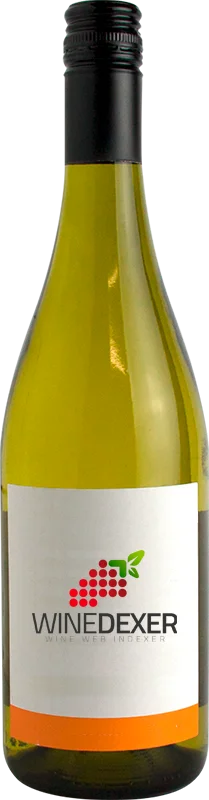
Winery MioranzaBranco Suave
 White wine


This wine generally goes well with

Details and technical informations about Winery Mioranza's Branco Suave.
Discover the grape variety: Florental
Simple, colourful fruity reds with a dark ruby hue, lightly marked to firm tannins and a straightforward palate; signature aromas of red fruits (cherry, raspberry), gentle spices and herbaceous notes. Modern, productive profile. Grown in small quantities in France and Belgium, used in organic and sustainable vineyards, part of the new generation of disease-resistant varieties. French black hybrid developed in the 20th century.
Last vintages of this wine
The best vintages of Branco Suave from Winery Mioranza are 0
Informations about the Winery Mioranza
The Winery Mioranza is one of of the world's great estates. It offers 10 wines for sale in the of Serra Gaúcha to come and discover on site or to buy online.

The wine region of Serra Gaúcha
Brazil's wine capital, Rio Grande do Sul. Specialty: high-quality traditional-method sparklers, fine and fruity (apple, citrus, white flowers), elegant bubble, alpine expression of the south. Still wines mostly European: round fruity Merlot, firm Cabernet Sauvignon, more tannic Tannat, fresh Chardonnay, supple Riesling Italico, fine Pinot Noir. Marked by Italian immigration in 1875, humid climate tempered by altitude.
The wine region of Rio Grande do Sul
Brazil's winemaking heart (~80% of production), Italian tradition. Recognised specialty: traditional-method sparkling wines (espumantes), fresh and fruity, based on Chardonnay and Pinot Noir, among South America's finest. Accessible reds: supple, fruity Merlot (plum, cherry), fleshy Cabernet Sauvignon, dense, tannic Tannat. Round Chardonnay, light Riesling Italico, sweet, floral Moscato whites.
The word of the wine: Solera
A method of maturing practiced in Andalusia for certain sherries, which aims to continuously blend older and younger wines. It consists of stacking several layers of barrels; those located at ground level (solera) contain the oldest wines, the youngest being stored in the barrels on the upper level. The wine to be bottled is taken from the barrels on the lower level, which is replaced by younger wine from the upper level, and so on.